
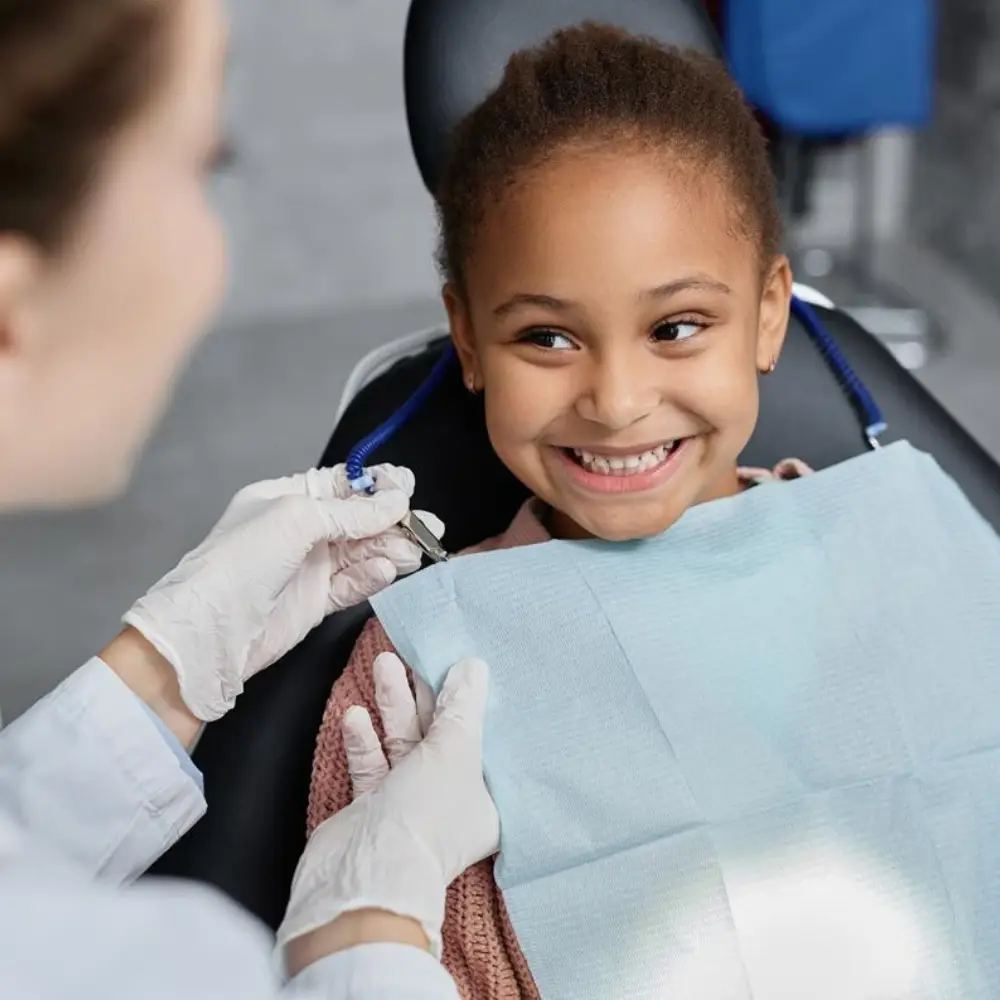

Most individuals fail to understand that most teeth whitening mistakes occur after the procedure and not during the procedure. However, whether you decided to go to an in-office process or an at-home system, the first 24- 48 hours are the most crucial in securing your outcomes. In this stage, your teeth are momentarily more permeable, are more sensitive, and are much more susceptible to discolouration. Even tiny things, such as taking a drink of colored beverages or brushing off too hard, may take the bright smile you just managed to get. Due to the teeth whitening which exposes the enamel, there must be additional attention and correct environment to stabilize it once more in order to strengthen it.
This blog points out the most common errors that one commits after the teeth whitening session, the reasons that can lead to these errors to affect your outcome and the easy and practical ways of ensuring that your smile is bright, healthy, and long lasting. Knowing what not to do and what to do in its place will help you to make your teeth whitening duration last longer and will allow you to have a shining smile on your face.
Mistake #1: Eating Staining Foods Too Soon

The enamel in teeth is also particularly susceptible to staining when it is recently whitened, as in this case, it is temporarily more absorbent. At this stage, food pigments and drinks have an opportunity to stick to the tooth surface easier. A single colorful beverage or even a meal made of the incorrect ingredients will significantly slacken your performance. That is why dentists suggest paying extra attention to the first 24-48 hours – when your smile requires the best protection to keep your smile sparkling.
Why Staining Happens After Teeth Whitening
As natural parts of the teeth whitening process, the tiny pores of your enamel naturally open as the bleaching becomes activated to remove stained discoloration that is deep-set. These pores do not necessarily close right after the treatment thus leaving your teeth temporarily more exposed to pigment absorption. Consequently, objects that are dark or brightly colored such as coffee, tea, berries, or sauces will fall into those open pores and leave undesirable evidence. That is the reason why white diet is highly suggested immediately after teeth whitening. This charm of wearing a protective guard on your smile is to ensure you maintain your results and have your teeth appearing whitish longer.
During the initial 48 hours of the teeth whitening process, it is advisable to avoid foods and beverages that can easily stain an enamel, which includes coffee, tea, red wine, soy sauce, tomato-based sauces, chocolate, cola, and berries, beets, and curry since they are very strong staining agents even without having a freshly treated enamel, and can pose a serious risk to an enamel at this stage. One of the best tips to be followed is to eat the white diet: in case a food can leave a stain on a white shirt, it will leave a stain on freshly whitened teeth.
Rather, opting to eat light such as chicken or turkey, rice and pasta, cauliflower, potatoes, cucumbers, peeled apples, bananas, water and milk. These more safe options will mean that you will safeguard your outcomes and maintain your smile bright and vibrant longer.
Mistake #2: Forgetting About Temperature Sensitivity

It is common to find that teeth are usually more sensitive after the teeth whitening process since the bleaching agents temporarily open up microscopic spaces in the enamel exposing the nerves within them. Ice, hot beverages or even sweet food may cause acute or prolonged pain. It is possible to extend the duration of irritation or increase its intensity by ignoring this sensibility and proceeding to consume extreme temperatures or acidic food. Gentle oral care products, no extreme temperatures, and a recovery period of your teeth should allow reducing the pain and ensuring the long-term success.
How Teeth Whitening Causes Sensitivity
The mechanism of action of teeth whitening solutions is that they pass into the enamel to dissolve surface and deep stains. In this process, the dentin that is underlying as well as the nerves present in your teeth may be exposed temporarily, therefore being susceptible than normal. Consequently, eating hot, cold or acidic food and beverages may cause pain. Such increased sensitivity is normally transient, and to restore your teeth to a comfortable state it is advisable to avoid the brutal stimuli and adhere to the instructions of the post-whitening care so as to make your results last longer.
What to Avoid
During the 48-72 hours of whitening, one should not expose the teeth to extreme temperatures, which may worsen sensitive teeth. It encompasses those things that are very cold such as ice water, ice cream, and frozen desserts, and those that are very hot such as hot soup, tea, coffee, or steaming noodles and broth. These extremes can make your teeth have sensitive nerve endings that can be irritated when exposed to these extremes, making them uncomfortable. Consumption of lukewarm food and drinks and beverages at room temperature assists in restoration of your teeth when they are comfortable and also in safeguarding your teeth whitening outcome.
How to Manage Sensitivity
Some of the strategies to address post-whitening sensitivity include: appying a toothpaste that is designed to address sensitive teeth and brushing with a soft-bristled toothbrush. Wipe teeth using a fluoride mouthwash to help make enamel stronger and prevent the further irritation. Brushing should not be done with too much pressure, but circular movements are best. In most cases, the sensitivity subsides in a couple of days, however, following these care suggestions may ease the pain and facilitate a successful recovery process.
Mistake #3: Smoking or Vaping After Teeth Whitening

Nicotine and tobacco substances are the biggest culprits when it comes to staining the teeth especially cigarettes. Whitening temporarily leaves your enamel more porous, so it is yet again an easy target of nicotine to cause permanent discoloration. The effects of using these products too soon after treatment can easily reverse the outcome and leave your smile looking dull and cost you more time before you can look white and healthy.
Why Nicotine Causes Rapid Staining
Exactly. Once whitened, your enamel becomes more porous and susceptible and thus nicotine and tar contained in cigarettes or any other tobacco products may get deep into it much faster. The slightest of these uses will result in marking, and this is the reason why using these products, particularly in the initial few days, should be avoided as much as possible, to ensure a bright and long-lasting smile.
The 72-Hour Rule
It is better to avoid smoking and vaping at least 72 hours after teeth whitening because it is the time when your enamel is the most exposed to be stained. The more time you will be staying off nicotine the good your results will be. The time is also an excellent chance to lessen or even abandon the habit. It not only will assist in keeping your now bright smile like that, but will also assist in your general health, which includes lung power, blood circulation, and the condition of oral tissues. It is during this crucial period that you should be conscious to provide your teeth with the highest opportunity to remain alive and well.
If You Slip
In case you take the wrong step and smoke after teeth whitening, then take necessary measures to prevent staining. Wash your mouth and gulp a lot of water immediately in order to rinse off any surface residue. When brushing your teeth, you should wait about 30 minutes first since soft-bristled toothbrush will not cause irritation. You should not take any other staining food or beverages such as coffee or red wine until the end of the day.
Consuming a lot of water during the day will also aid in clearing pigments and residues carried to the mouth by saliva. Though these measures will not remove the stain entirely, they will greatly reduce the effect of the stain and save your findings.
Mistake #4: Brushing Too Hard Right After Teeth Whitening
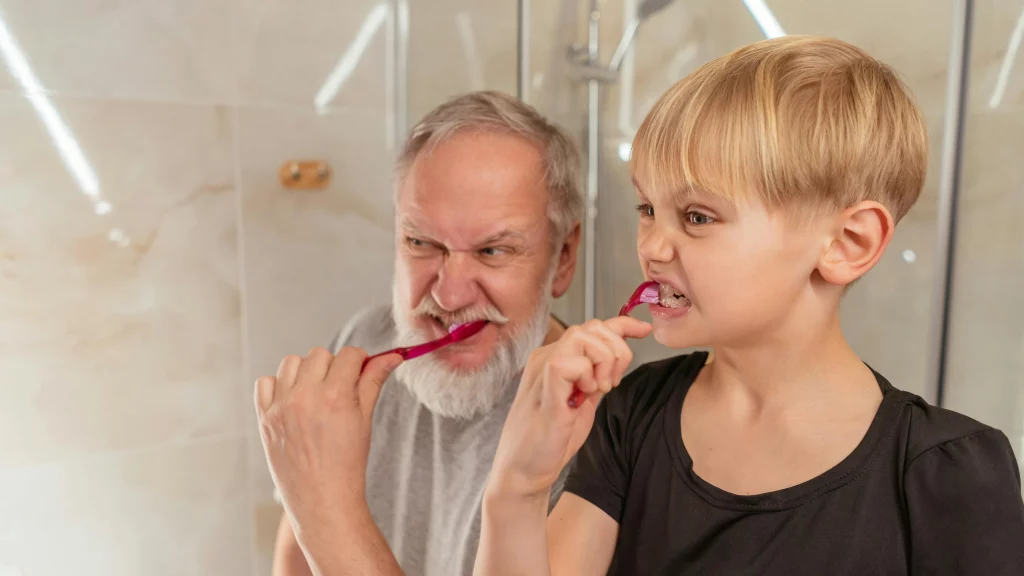
There is always a misleading idea that the more you scrub your teeth the whiter they become. Enamel may be fragile immediately after a whitening process and may be eroded or may irritate the gums when the person brushes very hard. A soft-bristled toothbrush is much more effective, keeps your enamel safe, as well as your health in general, and retains your brightened smile.
Why Teeth Whitening Softens Enamel
The bleaching agents also make your teeth temporarily dryer after whitening which exposes the enamel into the air which makes it slightly softer and more exposed. Towards this end, rough brushing or coarse toothpaste may erode the enamel resulting in either sensitivity or surface damage. A few hours of gentle treatment of your teeth will maintain the effect of the teeth whitening effect and safeguard the health of your teeth.
Brushing Mistakes to Avoid
Some of the habits to avoid following teeth whitening include: the hard-bristled toothbrush, brushing right after meals, whitening toothpaste that is highly abrasive, and scrubbing. Such activities are capable of scratching and making the enamel weak thus making your whitening process permanent and sensitive. Light brushing using the soft bristled brush will save not only your enamel but you will also have a brighter smile.
The Right Way to Brush Post-Whitening
One you have whitened your teeth, brush them with a soft or extra-soft toothbrush and brush in small, circular motions. It is necessary to wait at least 30 minutes after eating so as not to strain enamel, and it is advisable to use a non-abrasive fluoride toothpaste that will strengthen and keep your teeth safe. Through mild and consistent treatment, your enamel will heal, and at the same time, you will have a bright and healthy smile.
Mistake #5: Not Following Up With Maintenance Care
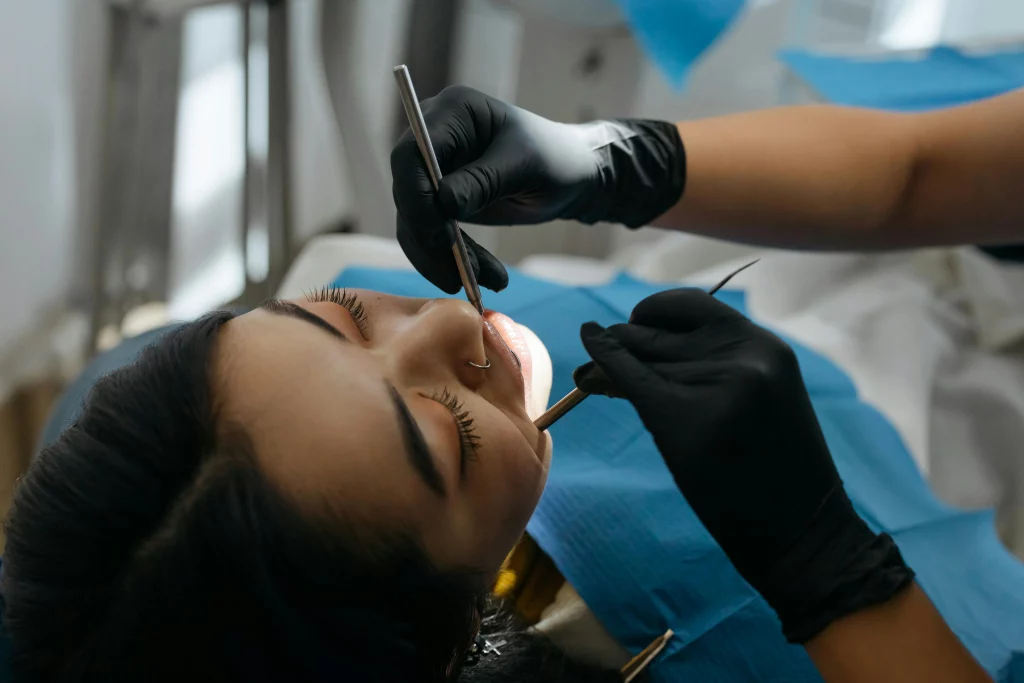
The effect of teeth whitening is not long term-your teeth can get new stains after a while in the course of food and beverages and other lifestyle practices. The brightness that you have achieved without proper maintenance may not last as long as expected, and thus, you have to do more touch-ups. Regular care, such as proper mouth cleaning, conscious eating, and professional or home-based teeth whitening services occasionally, will ensure that your results will be prolonged and your teeth will always have a bright smile.
Why Maintenance Matters
The use of staining agents by the teeth is inevitable due to daily habits. Even the healthy products such as berries or dishes of tomatoes can slowly darken your smiling face. Routine preventive maintenance helps you to sustain your teeth whitening effects and eliminates occurrence of premature discolouration and frequent retreatment.
Essential Maintenance Tips:
- Use whitening toothpaste 1–2 times per week to remove surface stains.
- Rinse your mouth after consuming staining drinks like coffee, tea, or red wine.
- Drink beverages through a straw when possible to minimize contact with teeth.
- Schedule professional or at-home touch-ups every few months as recommended.
- Maintain a steady oral care routine to keep your smile vibrant and long-lasting.
Professional vs. At-Home Maintenance
The most effective approach is a combination of in-office treatments and at-home maintenance, which is long lasting, and achievable only in the case of professional whitening. Numerous dentists are providing their own-fitted trays to clean their teeth regularly without having to use random over-the-counter items to clean their teeth. This blend provides you with the stability of brightness, limits sensitivity and preserves your enamel and keeps your results looking good as time goes by.
Bonus Mistake: Ignoring Your Dentist’s Instructions
Each of the teeth whitening methods has guidelines attached to them, some of them have to avoid pigment-rich foods within 24 hours, and some recommend avoiding them with 48 hours or more. Some may permit light coffee or tea when the day is over, but the other ones recommend a bigger waiting time. It is important to follow these tips since not all the whitening formulas are the same in terms of their strength, time of action, and ability to cause effects on your enamels and sensitivity.
Dentist tailors the advice depending on your teeth and the state of the enamel including the background of sensitivity, to achieve the best and safest outcomes. The questions that should always be asked include length of time that you should not stain foods, whether you can take coffee or tea, whether you need a desensitizing gel, and when you can take back to following your normal dental cleaning routine. Clearly, an instruction can save your enamel and reduce pain and make your bright smile last as long as possible.
In Conclusion
The result of teeth whitening could boost your confidence and create a strong impression on your audience by many folds but the effects will only last as long as you do not neglect proper care after that. The first days after treatment are the most important because at that time, the teeth are at the greatest risk of being stained and sensitive. Your knowledge of the most common post-whitening errors will help you save your money, preserve the health of enamel as well as a beautiful, even smile. Such straightforward measures as the selection of appropriate food, control over the temperature extremes, and moderate oral care play a crucial role in determining the duration of the results.
Through a conscious mind and regular care, your smiling face can last months with a brighter look that lifts you and makes you look better.
The thing is that you have to safeguard your bright smile by taking good care of it. By using proper tips on post-whitening you can achieve the effects that will last months- not days. At Graham Park Dental, it will be possible to book your whitening appointment and learn about the easy procedure of maintaining a bright smile. The best smile you have is one that is well taken care of and supported.

