
Knowing when to replace your toothbrush is more important than many people realize. While brushing twice a day is the cornerstone of good oral hygiene, using a worn-out or contaminated toothbrush can significantly reduce its effectiveness. Over time, bristles fray, bend, and lose their ability to clean thoroughly, while bacteria and food particles can accumulate on the brush itself. Continuing to use an old toothbrush can contribute to plaque buildup, gum irritation, and even bad breath, issues that compromise the health of your teeth and gums.
Understanding the signs of wear, the recommended replacement schedule, and proper toothbrush care is essential for maintaining a healthy smile. By staying proactive, you can ensure your daily brushing routine works as intended, protecting your teeth and gums from preventable problems.
In this blog, we’ll dive into why regular toothbrush replacement matters, how often you should swap your brush, the factors that influence bristle wear, and additional tips to keep your oral care routine both safe and effective for long-term dental health.
Why Toothbrush Replacement Matters
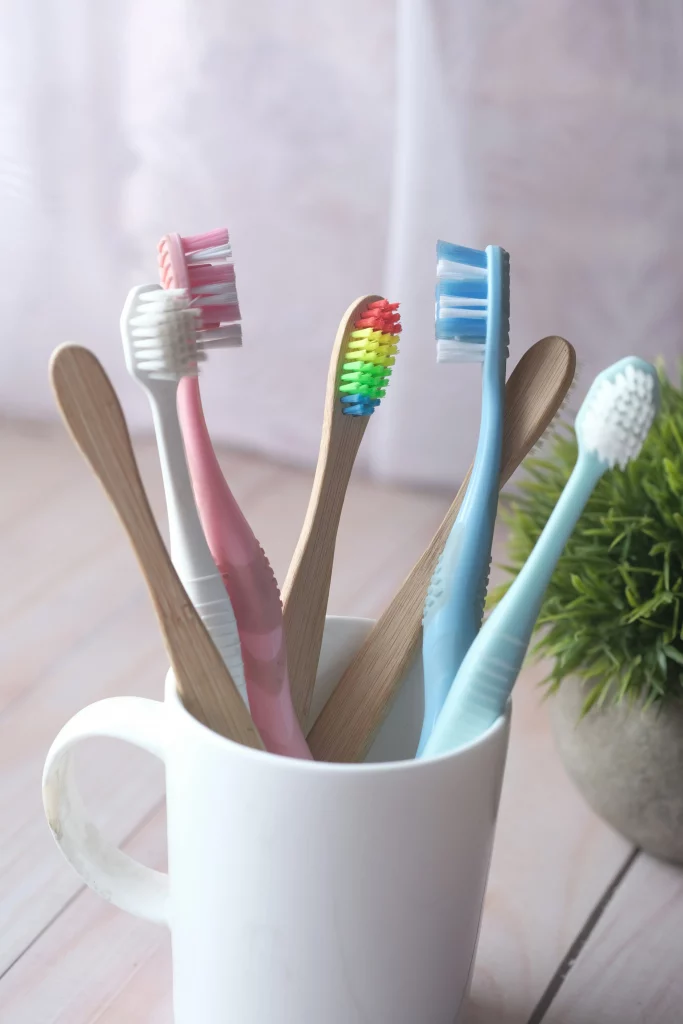
Replacing your toothbrush isn’t just about keeping bristles fresh—it’s a key step in protecting your teeth and gums from unnecessary risks. Over time, bristles fray, lose their cleaning effectiveness, and can even become a breeding ground for bacteria. Timely toothbrush replacement helps maintain a healthy, clean mouth in several important ways:
Maintains Cleaning Efficiency
Worn or frayed bristles lose their shape and flexibility, making it harder to reach plaque along the gumline and between teeth. When plaque isn’t removed effectively, it can harden into tartar, which cannot be eliminated by brushing alone and often requires professional cleaning.
Reduces Bacterial Contamination
A frequently used toothbrush is exposed to moisture, toothpaste residue, and oral bacteria. Over time, this creates an environment where microbes can thrive. Replacing your toothbrush helps reduce the risk of reintroducing bacteria into your mouth each time you brush, especially after illness.
Protects Your Gums
Old bristles can become rough and uneven, causing irritation to the gums. This irritation may lead to redness, tenderness, or bleeding, particularly in individuals with sensitive gums or early gum disease. Fresh, soft bristles are gentler and safer for daily use.
Prevents Bad Breath
Ineffective brushing allows bacteria and food particles to linger in the mouth, contributing to ongoing odor. A new toothbrush improves plaque removal and supports a cleaner oral environment, helping maintain fresher breath throughout the day.
By replacing your toothbrush regularly, you ensure that each brushing session works as intended—supporting healthier teeth, stronger gums, and a cleaner, more confident smile over the long term.
Signs for Toothbrush Replacement
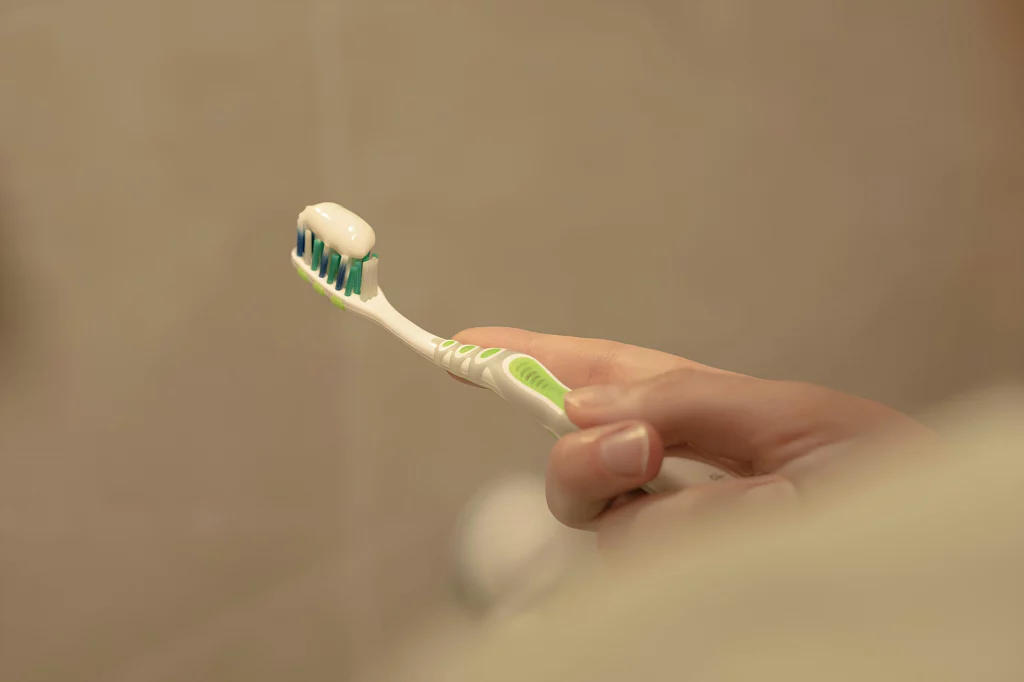
Even if your toothbrush hasn’t reached the typical three-month mark, it may still need toothbrush replacement sooner if certain signs appear. Frayed bristles that splay or bend in multiple directions lose their ability to clean effectively, leaving plaque and debris behind. Discoloration of the bristles can indicate bacterial buildup or stubborn toothpaste residue, which may compromise oral hygiene. A persistent or unusual odor from the brush head is another warning sign that contamination has occurred.
Additionally, if you notice gum irritation such as bleeding, soreness, or discomfort after brushing, it may mean the toothbrush is no longer gentle or effective. Finally, after recovering from an illness, including colds, the flu, or other infections, replacing your toothbrush is a smart precaution to prevent reintroducing germs into your mouth. Being attentive to these indicators ensures your daily brushing remains safe, thorough, and effective.
Toothbrush Replacement: How Often
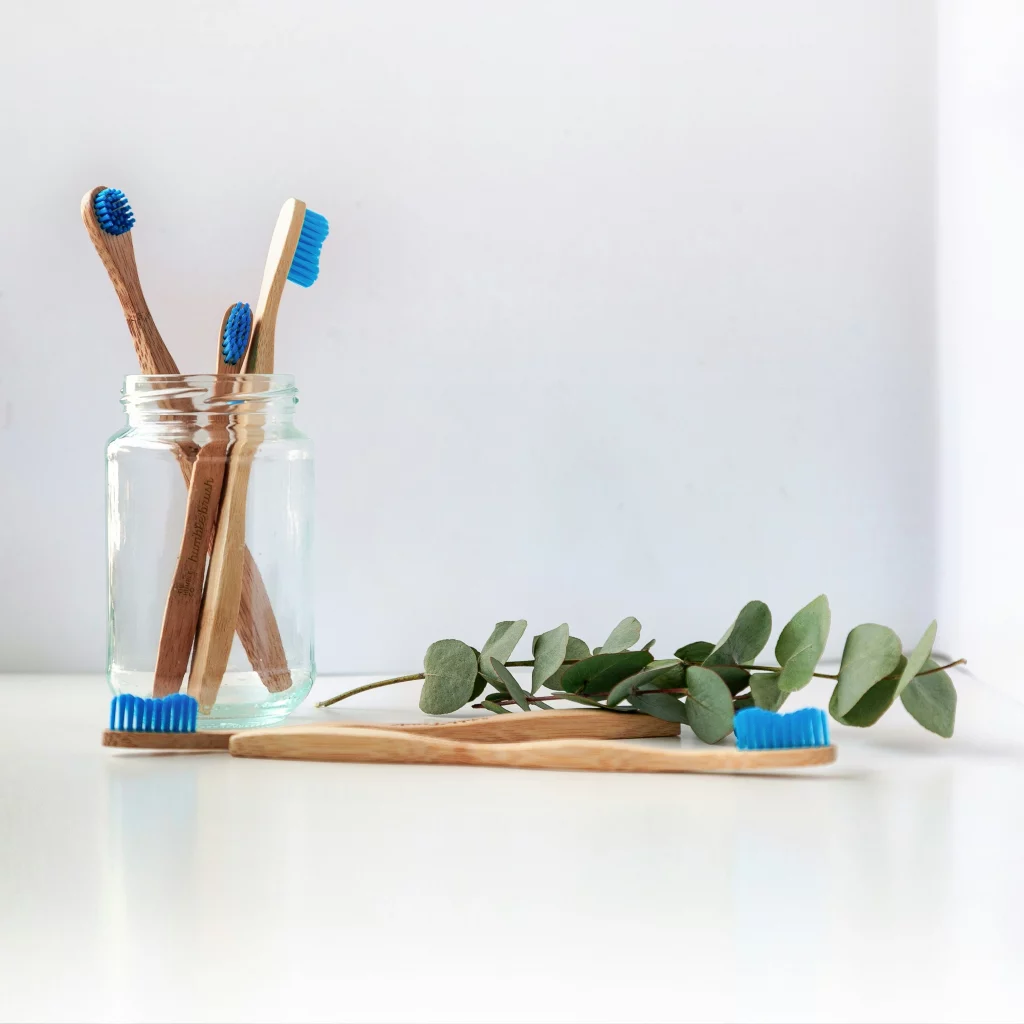
Most dental professionals advise replacing your toothbrush every three to four months. This timeframe helps balance natural bristle wear and bacterial buildup, ensuring your toothbrush remains effective at removing plaque and maintaining gum health.
Factors That May Require Earlier Toothbrush Replacement
Several factors can mean you need to swap your toothbrush sooner than the typical schedule:
- Brushing Habits: Vigorous brushing or aggressive strokes can fray bristles faster, reducing cleaning efficiency.
- Quality of Toothbrush: Softer or lower-quality bristles may wear out more quickly than premium brushes designed for durability.
- Frequency of Use: People who brush more than twice daily, or households where toothbrushes are used heavily, may see faster wear.
- Health Conditions: Individuals with weakened immunity, gum sensitivity, or recent illness may benefit from more frequent toothbrush replacement to prevent bacterial buildup and protect oral health.
Being mindful of these factors ensures your toothbrush continues to clean effectively and keeps your smile healthy.
Choosing the Right Toothbrush

Selecting the right toothbrush is just as important as replacing it regularly, as it directly impacts your ability to clean effectively and protect your teeth and gums. Bristle type plays a key role: soft bristles are recommended for most adults because they are gentle on enamel and gums while still effectively removing plaque, whereas medium or hard bristles can cause damage if used aggressively and should only be used under a dentist’s guidance for specific conditions. Toothbrush size and shape are also important, choose a brush head that fits comfortably in your mouth and can easily reach all teeth, including back molars and tight corners, to ensure thorough cleaning.
When deciding between manual and electric toothbrushes, both can be effective when used correctly. Manual brushes are affordable and reliable, while electric toothbrushes often provide superior plaque removal and can reduce effort, especially for people with limited dexterity; however, toothbrush replacement heads for electric brushes should still follow the recommended three-month schedule to maintain optimal hygiene. Selecting a toothbrush that suits your mouth, brushing style, and oral health needs helps maximize the benefits of your daily routine.
How to Care for Your Toothbrush Between Replacements
Proper toothbrush care can slightly extend its lifespan and help maintain hygiene, ensuring your daily routine remains effective. Rinse thoroughly after each use to remove toothpaste, food particles, and debris, which helps prevent bacterial growth on the bristles. Store your toothbrush upright and allow it to air dry in an open holder; avoiding closed containers or drawers is important, as trapped moisture creates an ideal environment for bacteria and mold. Never share toothbrushes, since doing so increases the risk of transmitting bacteria, viruses, or other pathogens.
Additionally, clean the handle and holder regularly, as bacteria can accumulate on any surfaces that come into contact with your toothbrush. By following these simple steps, you maintain a cleaner, safer tool for your oral health and maximize the effectiveness of each brushing session.
Common Myths About Toothbrush Replacement
| “I Only Brush Twice a Day, So My Brush Lasts Longer” | Many people assume that limited brushing means their toothbrush stays effective indefinitely. In reality, even with just morning and evening brushing, bristles gradually fray from regular use, losing their ability to reach tight spaces between teeth and along the gumline. Additionally, bacteria, fungi, and leftover toothpaste can accumulate on the brush head over time, increasing the risk of oral infection. Simply brushing twice a day does not prevent natural wear and microbial buildup. |
| “I Can Boil or Sanitize My Brush Instead of Replacing It” | Some believe that sterilizing a toothbrushby boiling it, microwaving, or using antibacterial sprays eliminates the need for toothbrush replacement. While these methods may temporarily reduce germs, they do nothing to fix bristles that have become frayed or bent. Worn bristles cannot clean teeth effectively, and using a sanitized but damaged brush still allows plaque and bacteria to accumulate, undermining oral hygiene. Toothbrush replacement remains essential for proper cleaning. |
| “Electric Toothbrush Heads Don’t Need Replacing Often” | Electric toothbrushes are often assumed to be more durable, but their heads also experience wear. Bristles fray with regular use, and even small changes in bristle shape can reduce plaque removal efficiency. Most electric toothbrush manufacturers recommend replacing heads every three months, or sooner if bristles appear worn. Ignoring this schedule can compromise cleaning effectiveness and may allow harmful bacteria to build up on the brush head. |
Toothbrush Replacement for Kids
Children’s toothbrushes require extra attention because their mouths are smaller, their teeth are still developing, and their gums can be more sensitive. Regularly replacing toothbrushes ensures that bristles remain effective at removing plaque and reaching all surfaces of growing teeth. Dental professionals generally recommend replacing a child’s toothbrush every two to three months, or sooner if the bristles become frayed. Choosing soft bristles helps protect delicate gums while still providing thorough cleaning. Additionally, supervising your child’s brushing technique encourages proper habits, ensures they are reaching all areas of the mouth, and helps prevent damage from brushing too hard.
Additional Tips for Oral Health Beyond Toothbrush Replacement
Floss Daily
Flossing is essential because toothbrushes cannot reach the tight spaces between teeth and along the gumline. Daily flossing removes trapped food particles and plaque, reducing the risk of cavities, gum inflammation, and bad breath. Making it a consistent part of your routine ensures long-term gum and tooth health.
Use Mouthwash
Mouthwash provides an extra layer of protection by reducing bacteria and freshening breath. Choosing an alcohol-free option is especially helpful for individuals with sensitive gums or dry mouth, as it avoids irritation while still supporting oral hygiene. Incorporating mouthwash into your routine can help reach areas brushing and flossing may miss.
Regular Dental Checkups
Visiting your dentist regularly allows professionals to remove hardened plaque (tartar) that cannot be eliminated with home care alone. Routine checkups also help detect early signs of cavities, gum disease, or other dental issues before they become more serious, making treatment simpler and less invasive.
What you eat has a direct impact on oral health. Limiting sugary snacks and acidic drinks reduces the formation of plaque and enamel erosion. Including tooth-friendly foods like dairy, vegetables, nuts, and water, supports strong enamel, healthy gums, and overall oral wellness.
The Role of Toothbrush Replacement in Preventing Oral Health Issues
Failing to replace your toothbrush regularly can contribute to several oral health problems, often without obvious warning signs:
Plaque Accumulation
Worn or frayed bristles lose their ability to remove plaque effectively. As plaque builds up along the teeth and gumline, it hardens into tartar, making daily cleaning less effective and increasing the risk of dental issues.
Gingivitis and Gum Disease
Old toothbrushes can irritate the gums and leave behind bacteria that trigger inflammation. Over time, this can lead to gingivitis and, if left untreated, progress to more advanced stages of gum disease.
Tooth Decay
When plaque and bacteria are not properly removed, acids produced by bacteria attack tooth enamel. This weakens enamel and increases the likelihood of cavities and decay.
Bad Breath
Bacteria trapped in worn bristles and leftover food particles can cause persistent bad breath. Even regular brushing may not eliminate odor if the toothbrush itself is contaminated.
Increased Risk of Oral Infections
Used toothbrushes can harbor bacteria, fungi, and viruses. Reintroducing these microorganisms into the mouth raises the risk of infections, especially after illness or in individuals with weakened immune systems.
By replacing your toothbrush on schedule, you support more effective cleaning, reduce bacterial exposure, and help protect your teeth and gums for long-term oral health.
In Conclusion
Replacing your toothbrush regularly is a simple yet essential step in maintaining oral health. Proper toothbrush replacement ensures effective plaque removal, reduces bacterial contamination, and protects gums from irritation. Coupled with good brushing technique, flossing, and regular dental visits, this small habit can make a big difference for your smile and overall oral health.
Don’t wait until your toothbrush is worn or less effective—take control of your oral health today. Our dental team can guide you on the best toothbrushes and brushing techniques for your unique needs. Regular toothbrush replacement, paired with professional care, keeps your teeth clean, gums healthy, and smile bright. Schedule your next checkup now and ensure your oral hygiene routine is as effective as possible.

