
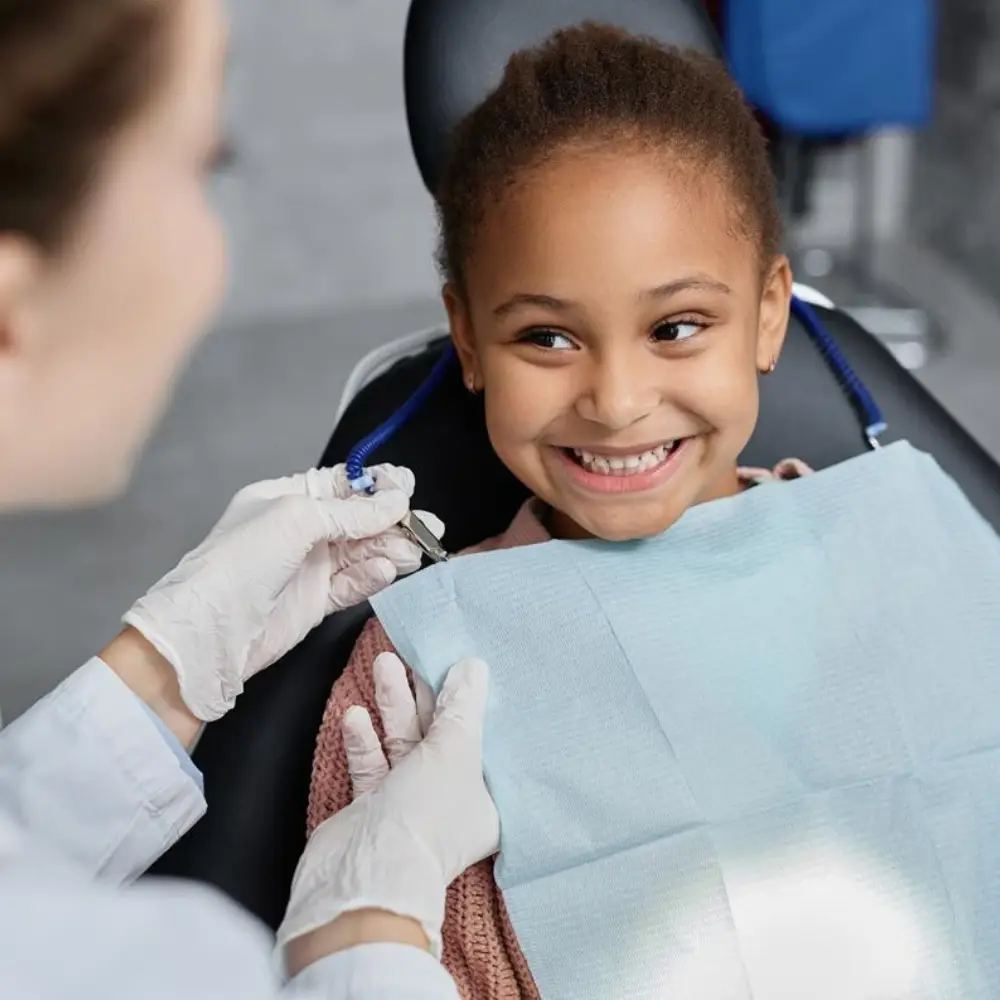

Hormones play a powerful role in your overall health, and their influence extends directly to your oral well-being. Fluctuations in hormone levels can affect gum sensitivity, enamel strength, and the body’s immune response to bacteria, making certain life stages such as puberty, pregnancy, and menopause particularly prone to dental issues. These changes can lead to inflammation, increased risk of cavities, or heightened susceptibility to gum disease if not properly managed. Understanding the connection between hormonal shifts and oral health empowers you to adopt preventive strategies, minimize discomfort, and maintain a strong, healthy smile throughout life.
This blog delves into how hormones affect oral health, highlights common concerns at key life stages, and offers practical, actionable steps for protecting teeth and gums. By following these strategies, you can navigate hormonal changes with confidence and support long-term dental wellness.
How Hormones Influence Oral Health

Shifts in hormones can affect multiple systems in the body, including the oral cavity, with significant impacts on gum tissue, saliva production, and the delicate balance of oral bacteria. Increased levels of estrogen and progesterone can elevate blood flow to the gums, making them more sensitive and prone to swelling, bleeding, and irritation even during routine brushing or flossing. These changes can make ordinary oral care feel uncomfortable and may exacerbate existing gum issues if not carefully managed.
At the same time, hormonal fluctuations can alter saliva composition and flow, often reducing overall production and leading to dry mouth. Because saliva plays a vital role in protecting teeth from decay, neutralizing harmful acids, and washing away food particles, decreased saliva can heighten the risk of cavities, enamel erosion, and oral infections. Additionally, shifts in hormones may disrupt the oral microbiome, changing the balance of bacteria in the mouth and increasing vulnerability to gum inflammation, gingivitis, periodontitis, and persistent bad breath.
Combined, these effects underscore the importance of proactive oral care, including gentle but thorough brushing and flossing, regular dental checkups, and professional guidance during periods of hormonal change, to maintain a healthy, strong, and resilient smile.
Hormonal Changes During Life Stages

Different stages of life bring distinct oral health considerations, many of which are directly influenced by hormonal fluctuations that affect the gums, teeth, and saliva. During puberty, surges in estrogen and testosterone can make gums more sensitive and reactive, often leading to redness, swelling, or bleeding during routine brushing and flossing. These changes can make oral care feel uncomfortable for teens and may require extra attention to maintain proper hygiene. Throughout the menstrual cycle, hormonal shifts can temporarily increase gum tenderness or minor bleeding, highlighting the importance of gentle brushing and flossing during sensitive periods.
Pregnancy intensifies these hormonal effects, with elevated progesterone and estrogen levels potentially causing significant gum inflammation, pregnancy gingivitis, and even benign growths known as pregnancy tumors (epulis). Careful oral hygiene and regular dental visits during pregnancy are critical for preventing complications for both mother and baby.
In menopause and perimenopause, declining estrogen can contribute to dry mouth, burning sensations, increased cavity risk, and greater vulnerability to gum disease, while age-related reductions in bone density may affect jawbone strength and overall dental stability. Hormonal therapies, including birth control or hormone replacement therapy, can also subtly influence gum health, saliva production, and susceptibility to cavities, requiring adjustments in oral care routines.
Across all these stages of life, understanding the connection between hormones and oral health empowers individuals to adopt personalized hygiene practices, address potential issues early, and work with dental professionals to maintain a strong, healthy smile throughout each phase of life.
Common Oral Health Concerns Linked to Hormones
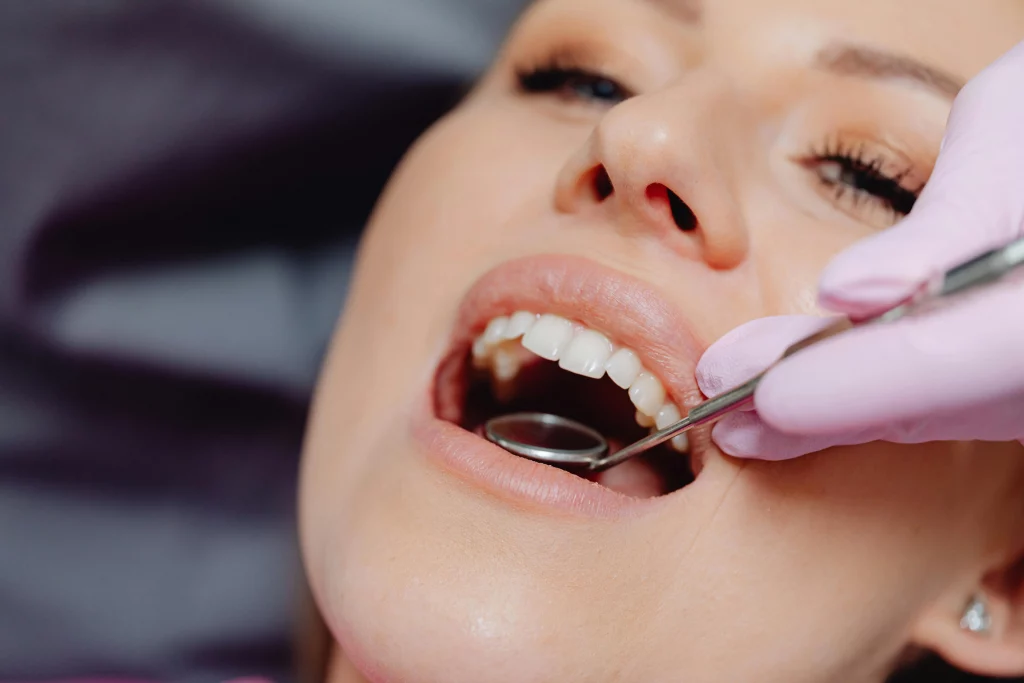
Hormonal changes can significantly increase the risk of a variety of oral health issues, making awareness and proactive preventive care especially important at different stages of life. Gum disease, including gingivitis and periodontitis, becomes more likely during periods of hormonal fluctuation, with common signs such as bleeding, swelling, and tenderness along the gumline. Without proper care, these conditions can progress, potentially affecting overall oral health and even contributing to systemic inflammation.
Tooth sensitivity may also develop as reduced saliva flow or changes in enamel leave teeth more vulnerable to hot, cold, or acidic foods and beverages, making routine eating and drinking uncomfortable. Hormonal shifts can additionally affect saliva’s composition and buffering capacity, increasing acid exposure and heightening the risk of cavities and enamel erosion over time.
These changes may also create conditions that favor oral infections, including fungal infections like oral thrush, which are particularly common during pregnancy or in individuals taking certain medications. By understanding how hormonal fluctuations impact oral health, individuals can adopt proactive strategies such as tailored brushing and flossing techniques, regular professional dental care, and lifestyle adjustments to protect their teeth and gums, minimize discomfort, and maintain long-term oral wellness throughout hormonal transitions.
Practical Steps to Protect Oral Health During Hormonal Changes
Maintain Consistent Oral Hygiene
Brushing at least twice daily with fluoride toothpaste and flossing once a day is essential for removing plaque, food particles, and bacteria that accumulate along the gumline and between teeth. Consistent oral hygiene helps prevent inflammation, gum disease, and enamel erosion, which can be exacerbated during periods of hormonal fluctuation. Using proper techniques, such as gentle circular brushing motions and carefully cleaning behind the molars, ensures thorough care without irritating sensitive gums.
Use Mouth Rinses
Incorporating antibacterial or fluoride mouth rinses into your routine can provide an extra layer of protection. Antibacterial rinses help reduce harmful oral bacteria that contribute to gum inflammation, while fluoride rinses strengthen enamel and protect against cavities. These rinses are particularly beneficial during sensitive hormonal periods, such as puberty, pregnancy, or menopause, when gums may be more prone to irritation and bleeding.
Hydration and Saliva Support
Staying well-hydrated by drinking plenty of water throughout the day is crucial for maintaining saliva flow, which naturally protects teeth from decay and washes away food particles. Chewing sugar-free gum can stimulate saliva production, while saliva substitutes or oral moisturizers may be helpful for individuals experiencing dry mouth. Supporting saliva flow is especially important during hormonal changes that reduce natural saliva production, as it helps prevent cavities, enamel erosion, and oral discomfort.
Balanced Diet
A nutrient-rich diet not only supports overall health but also plays a critical role in oral wellness. Foods high in calcium, vitamin D, and phosphorus strengthen teeth and jawbone, while antioxidants and vitamins like C and A help maintain healthy gums and support tissue repair. Limiting sugary and acidic foods further reduces the risk of cavities and enamel damage, particularly during periods when hormonal shifts make teeth and gums more vulnerable.
Regular Dental Checkups
Professional dental cleanings and evaluations are essential for detecting early signs of gingivitis, cavities, or other oral issues related to hormonal changes. Dentists can provide personalized guidance, recommend preventive treatments, and address minor problems before they develop into more serious conditions. Regular visits ensure that oral health is maintained throughout different life stages and hormonal transitions, supporting a strong, healthy smile over the long term.
Special Considerations for Women

Maintaining optimal oral health during periods of hormonal change requires careful, tailored attention and proactive dental care to address the unique challenges each life stage presents. Pregnancy is a particularly critical time to schedule routine dental cleanings and comprehensive exams, while ensuring your dentist is aware of your condition. Professional dental care during pregnancy is not only safe but essential, as it helps prevent common complications such as pregnancy gingivitis, gum inflammation, and oral infections, which can affect both maternal and fetal health.
For individuals experiencing menopause, the natural decline in estrogen can contribute to issues such as dry mouth, enamel erosion, and heightened tooth sensitivity. Managing these changes often involves targeted strategies, including professional fluoride treatments, prescription-strength toothpaste formulated for sensitivity, proper hydration, and dietary adjustments to avoid acidic or overly sugary foods that can accelerate enamel wear.
Similarly, those using hormone-based birth control should pay close attention to their oral health, as fluctuating hormone levels can increase gum sensitivity, bleeding, or irritation, potentially exacerbating preexisting conditions. By consulting a dentist promptly at the first sign of changes, individuals can ensure early intervention, protect both teeth and gum tissue, and maintain long-term oral health. With consistent care and preventive strategies, it is possible to preserve a strong, healthy smile throughout all hormonally influenced stages of life.
Common Misconceptions About Hormones and Oral Health
There are several common misconceptions about hormones and oral health that can lead to unnecessary worry, neglect, or even avoidance of proper care. For example, the idea that “hormonal oral issues are inevitable” is not entirely accurate. While hormonal fluctuations do affect gum sensitivity, enamel strength, and saliva production, these changes do not automatically result in dental problems. With consistent oral hygiene practices, regular dental checkups, and preventive strategies, individuals can significantly reduce the risk of complications and maintain a healthy smile.
Another widespread myth is that “tooth problems during pregnancy are normal and untreatable.” In reality, dental care during pregnancy is safe, effective, and highly recommended. Early intervention can prevent minor issues from developing into more serious problems, such as pregnancy gingivitis, inflammation, or oral infections that could impact both mother and baby.
Additionally, the belief that “only women need to worry about hormone” is misleading. Men experience hormonal fluctuations as well, particularly in testosterone, which can influence gum health and increase the risk of conditions like periodontal disease.
By understanding these realities, individuals of all genders are empowered to adopt proactive oral care habits, seek timely professional advice, and protect their teeth and gums through the natural hormonal changes that occur throughout life.
In Conclusion
Hormones play a significant role in oral health throughout life, influencing gum sensitivity, saliva production, enamel strength, and susceptibility to infections. By recognizing these effects and adapting your oral hygiene practices, diet, and dental care routines accordingly, you can maintain a healthy, resilient smile even during periods of hormonal fluctuation. Proactive measures during puberty, pregnancy, menopause, or other hormonal transitions help reduce complications, prevent long-term damage, and support overall oral wellness.
Are you noticing increased gum sensitivity, dryness, or other oral changes linked to hormonal shifts? Our dental team provides personalized guidance and care tailored to your unique needs.Schedule a consultation to protect your smile, address any concerns, and learn practical strategies for keeping your teeth strong and gums healthy. Don’t let hormonal changes compromise your oral health—take action today and enjoy lasting dental wellness.

