
It is easy to take care about your child’s teeth since the first teeth. Good habits at a young age would form the basis of oral health throughout life and would also make your child grow up with confidence. A good number of parents do not know how to brush their teeth, how to floss and when they should make a visit to the dentist which is quite normal. It is important to understand, however, these steps. Primary teeth that are healthy will assist in the proper chewing, development of speech, facial structure and even social comfort when the children start socializing with others.
Oral health is associated not only with the beauty of a smile, which is why it should be proactive. This guide is useful as it provides tips to use in everyday life, regular dental visits, and easy measures to avoid cavities and problems with gums. Since the time when you wiped the baby gums, or forced the teens to do things routinely, the aim is for you to make informed decisions. Avoidable discomfort, the possibility of having expensive dental procedures later in life, and the ability to provide your child with the best possible start can all be avoided by learning these best practices at this time.
The Importance of Early Dental Care
Early preventive treatment is a very strong and effective way to safeguard the smile of your child. Their early practices, beginning with the first tooth, to the first dental appointment, lay the groundwork of healthy teeth as they develop. Parents fail to see that early check-ups are not only helping dentists to prevent cavities, but also help them to identify developmental problems in children, teach them proper manners, and make them feel sure about taking care of their mouth. You are providing your child with the best opportunity to have a bright and healthy future by smiling at them early in life.
Why Baby Teeth Matter
Although the primary teeth will eventually lose their position, they are very important. They direct the permanent teeth to right places, aid in proper speech development and enable the child to chew effectively. Cavities in infant teeth might cause pain, infections and speech and eating problems when untreated.
Preventing Early Childhood Cavities
The cavity may start forming immediately your child first has a tooth, and that is why care should be given at a tender age. Restraining of sugary foods and beverages, brushing the teeth lightly yet regularly and regularly visiting the dentist are some of the main measures to avoid decay. Early introduction of these practices does not only safeguard your teeth of your child now, but it also minimizes the chances of other more severe dental issues later in life as your child develops, predetermining a whole life of healthy smiling.
Building Healthy Habits Early
Making brushing and flossing an interactive fun event is one way of making oral hygiene a pleasant habit and not a task. It is possible to sing songs, buy thematic or coloured toothbrushes and flavoured toothpastes of kid preferences to make everyday life entertaining. Proper techniques should be shown and children allowed participation, this will help them become independent and foster confidence which will make them always consistent with brushing their teeth and develop a life long positive attitude towards it.
Daily Care for Your Child’s Teeth
One of the most significant things that you should do to ensure that the teeth of your child are healthy is to create a daily routine of brushing them. To avoid cavities, gum problems and other usual dental problems, regular brushing, flossing and maintenance at home are a good idea. With building a routine that is organized but entertaining, you will make your child maintain lifetime practices that will help maintain good teeth, clean breath, and a self-assured smile. Caring does not require a lot of complexity every day, but it is a matter of creating a routine, educating good habits and ensuring that oral care becomes a good part of everyday life.
Proper Brushing Techniques
In babies, begin with a soft and damp cloth, wiping of the gums with the baby toothbrush, or soft and moist cloth to get rid of bacteria and residue. Immediately teeth start coming out, switch to two times a day fluoride toothpaste that is a pea size. Move the toothback and forth in circles gently and gently apply the motion to all the surfaces of every tooth and along the gumline, where the plaque is likely to be amassed. In older children, it is necessary to oversee brushing as they should reach all teeth with the toothpaste and not swallow excessively large amounts of the latter.
This can be achieved by teaching good technique to the children at an early age so that they gain confidence and healthy habits as their mouths continue growing.
Flossing Essentials
Flossing must commence as soon as your child has two teeth touching each other as this is the stage that the plaque and food particles can start getting trapped between teeth. Flossing is necessary to access these areas of tightness and therefore prevent cavities and keep gums healthy since brushing can never reach these places. Begin with a floss, or a floss pick that is soft and kid friendly and show your child how to do it correctly. Flossing should be the regular habit in the daily routine as it is not only preventing teeth decay but also educating children on the value of excellent oral care at a young age.
Choosing the Right Toothbrush and Toothpaste
Select a soft-bristled toothbrush that is age-appropriate because this will result in clean teeth, and at the same time, not causing harm to the tender gums on the child. Older children may be interested in using electric toothbrushes to get a greater extent of cleaning and more interesting to brush. The reason behind the significance of fluoride toothpaste is that it provides strength to enamel and prevents cavities but quantity must be taken cautiously, a rice-sized amount of fluoride toothpaste is advised to be taken by children below the age of three years, and a pea sized amount of fluoride toothpaste is advisable to be taken by children between the age of three years and six years.
Early teaching of children on the correct and sufficient quantity of brushing as well as appropriate methodology will form the basis of good healthy teeth as they develop.
Healthy Diet for Strong Teeth
The restriction of sugary snacks and beverages is necessary to ensure the safety of a child regarding their teeth as consuming sugar regularly poses a high risk of developing cavities. Rather, give healthier options like fruits, vegetables, cheese and nuts and use water as the main drink, in particular after meals. Eating balanced diet that incorporates dairy that contains calcium, vegetables that supply necessary vitamins and crunchy fruits that facilitate the production of saliva will aid in the strengthening of teeth and in the development of enamels.
Also, it is not advisable to use bottles or the uses of the sippy cups that are filled with juice or milk and this may lead to the baby bottle tooth decay and the introduction of the normal cups use and restraining of the sugary beverages to the mealtimes. These combined eating and drinking practices are also important in keeping healthy and strong teeth of your child.
Scheduling Regular Dental Visits
| When to Start Dental Checkups | The American Dental Association recommends the first dental visit by your child’s first birthday. Early visits help detect issues early, provide professional guidance, and establish comfort with dental care. |
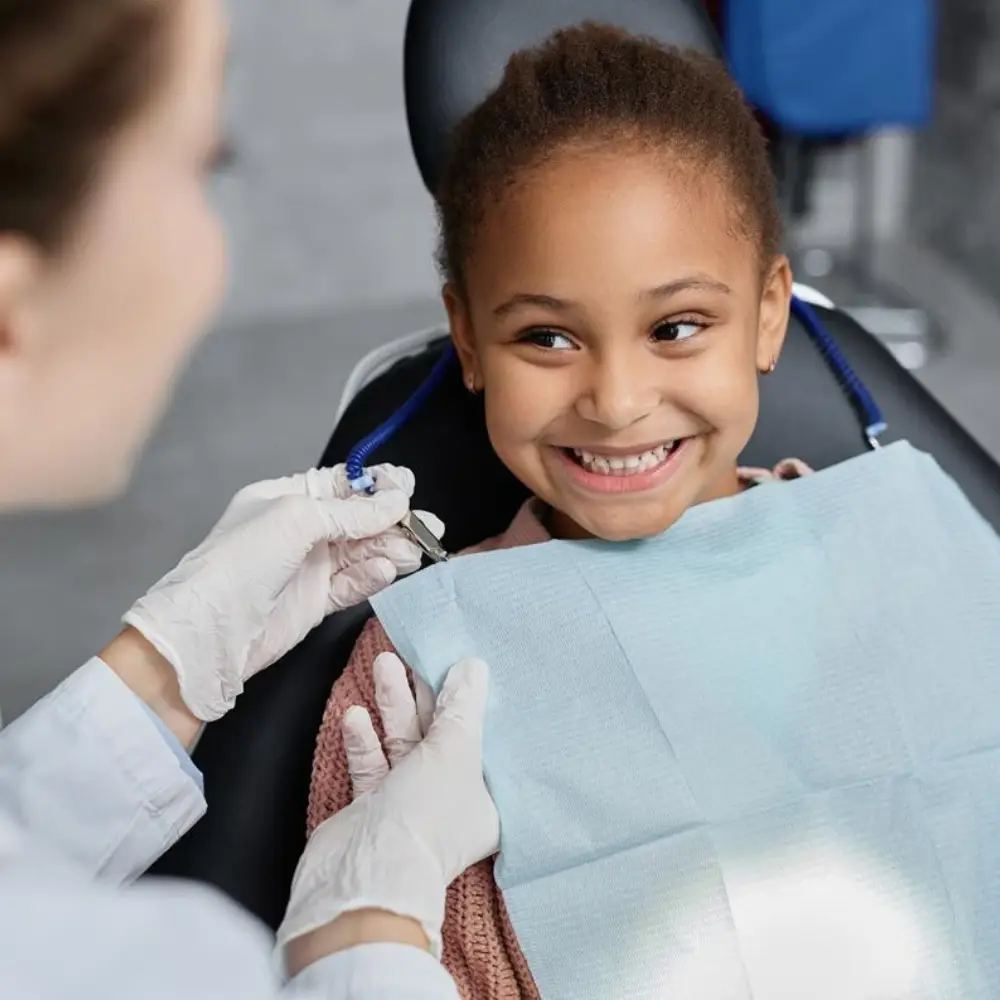
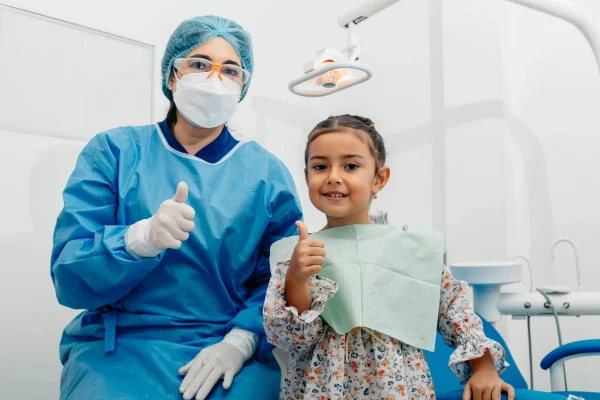
| What Happens During a Child’s Dental Appointment | The dentist examines teeth and gums, checks bite alignment, and may apply fluoride or dental sealants for additional protection. Dental visits are also an opportunity to educate parents on proper care techniques and habits. |
| Frequency of Visits | Routine dental checkups every six months help maintain optimal oral health. Children with higher cavity risk may require more frequent visits for cleaning, monitoring, and preventive care. |
Common Dental Concerns in Children
1. Tooth Sensitivity
Children can also be sensitive in their teeth whenever a new tooth is developing or even after treatment of a cavity and the sensitivity will fade away after some time. This pain may make eating or brushing just a little uncomfortable yet it passes away as the teeth and the gums readjust. Irritation can be reduced using soft-bristled toothbrush, brushing gently and also avoiding foods that are acidic or too sweet. Rinsing your child with water after eating and good oral health also helps in quick recovery and proper maintenance of teeth. In case of sensitivity, it is possible to seek advice of your dentist who can also offer further advice and reassurance.
2. Thumb Sucking and Pacifier Use
Long-term sucking of the thumb or using pacifier too long can interfere with the orientation of your child teeth and even his or her jaw. It is also good to bring in other calming techniques like comfort objects, slight reassurance or distraction techniques as the children grow to slowly stop these habits. The communication and positive reinforcement can be open in order to provide your child with a smooth transition. Individual advice given by your dentist about how to deal with these practices and avoid possible long-term consequences to oral development can be tailored to fit your child and help make sure that the teeth and the smile of your child are healthy.
3. Early Signs of Misalignment
With the onset of permanent teeth, some children might find themselves with crowded or crooked teeth, and this might be a problem in regard to the appearance and the functioning of the mouth. Early orthodontic assessment enables dentists to know of the possible misalignment early before it is enhanced to a bigger problem hence these assessments assist dentists in appropriate jaw growth and location of the teeth. These concerns can be addressed at an early stage of life and less time would be spent on treating the problem in the future, better bite functionality, and overall oral health. Consistent observation and early treatment assist in making sure that your child grows to have a straight confident healthy smile.
Teaching Children Responsibility for Their Teeth
One of the major steps towards establishing lifelong oral hygiene practice is to teach children to take care of their own teeth. Although parental supervision is necessary at an early years, by gradually promoting independence one will help the children realize the need to brush, floss and keep healthy habits themselves. With an interesting, motivating, and consistent approach to dental care, parents can support a child make pride in his or her smile and make sure that teeth are healthy and strong and last a lifetime.
Making Brushing Fun
By brushing at home, it can be fun and hence, becoming a habit the children would enjoy each day. Timers, singing of songs and including fun games can assist them in brushing their recommended 2 minutes and brushing the entire mouth. Regular practices coupled with positive reinforcement such as applause or minor awards promote healthy habits and make one feel an achievement. These measures can make children own up to their own oral health in the long run and have a lifetime habit that will achieve healthy teeth.
Teaching Proper Flossing Skills
When teaching your child to floss, do it in stages and demonstrate to the child how to do it and follow up by placing hands where necessary. Among the older children, learning could be easier and more interesting with the help of the visuals, diagrams, or short instructional videos. Praise them or give them some encouragement on their efforts to progress which will make them have a regular version to flossing. With the help of guidance, demonstration, and positive reinforcement, it is possible to show children how to take care of the areas between their teeth to maintain healthy gums and avoid cavities.
Educating About the Importance of Dental Care
You have time to tell your child why proper oral hygiene will keep him or her out of the dentist and prevent tooth pains, cavities, and more frequent visits to the dentist. Knowing the reason behind brushing and flossing, the children will be more inclined to make their daily routine serious. To activate interest and involvement, promote inquisitiveness and discussion by use of demonstrations, storybooks, interesting facts about teeth, etc. Not only does this approach help in building up of knowledge, it also enables children to become responsible in their own oral health, which forms the basis of a lifelong healthy smile.
Frequently Asked Questions (FAQs)
1. When should I start brushing my child’s teeth?
Brushing should begin as soon as your child’s first tooth appears. For infants, gently wipe the gums and emerging teeth with a soft, damp cloth or an infant toothbrush to remove bacteria. This early practice helps establish a routine and gets your child used to daily oral care. As more teeth come in, transition to using a small, soft-bristled toothbrush with a tiny smear of fluoride toothpaste. Encourage brushing at least twice daily, or after meals when possible, to prevent plaque buildup. Consistent care from the start lays the foundation for healthy teeth and gums as your child grows.
2. How often should my child visit the dentist?
Children should visit the dentist every six months to maintain optimal oral health. These early visits allow dentists to detect potential problems before they become serious and to apply preventive treatments like fluoride or sealants. Dental appointments are also an opportunity for parents to learn proper care techniques and ask questions about their child’s oral hygiene. Children who are at higher risk for cavities or dental issues may need more frequent checkups. Regular visits help catch small problems early, reducing the need for more extensive or invasive treatments later. Establishing a consistent dental routine encourages children to feel comfortable and confident about their oral care.
3. What toothpaste is safe for young children?
Use fluoride toothpaste that is appropriate for your child’s age to help protect their developing teeth. For children under three, a tiny, rice-sized smear is sufficient, while children ages three to six can use a pea-sized amount. Fluoride works to strengthen enamel, making teeth more resistant to cavities and decay. It’s important to supervise brushing and ensure that children spit out any excess toothpaste rather than swallowing it. Teaching them to use the correct amount and proper technique helps establish safe, effective brushing habits. Consistent use of fluoride toothpaste from an early age supports strong, healthy teeth as they grow.
4. Are dental sealants necessary for kids?
Dental sealants act as a protective barrier over the chewing surfaces of teeth, helping to prevent cavities from forming. They are particularly beneficial for molars, which have deep grooves and are more susceptible to decay. Sealants are safe, painless, and quick to apply, making them a child-friendly preventive option. Your dentist can evaluate your child’s risk for cavities and determine whether sealants are appropriate based on tooth development and oral health history. When used alongside regular brushing and flossing, sealants significantly reduce the likelihood of cavities. This simple preventive step can save children from discomfort and more extensive dental treatments in the future.
5. Can diet affect my child’s teeth?
Yes, sugary and acidic foods can wear down enamel and increase the risk of cavities in children. Providing a balanced diet that includes fruits, vegetables, dairy, and whole grains supports strong teeth and healthy gums. Limiting frequent snacking and encouraging water as the main beverage helps wash away sugars and acids that can damage teeth. Teaching children to make healthy food choices early establishes habits that protect their oral health for life. Combining good nutrition with consistent brushing, flossing, and dental checkups creates a comprehensive approach to preventing dental problems. Over time, these practices help children maintain strong, healthy smiles as they grow.
Protect your child’s teeth today to ensure a lifetime of healthy smiles. Scheduling regular dental visits and practicing proper home care makes a big difference. At Graham Park Dental, we provide personalized guidance, gentle cleanings, and expert support for every age. Book your appointment now and give your child the gift of a confident, bright smile.

