
Oral hygiene among older adults is a significant factor towards comfort, self-confidence and well-being in old age. Mouth changes in the form of dry mouth, complications caused by medication, gum recession, and enhanced tooth sensitivity tend to be more intense as they age and increase the difficulty of the regular care. Poor dexterity, inability to brush or floss, or maintain dentures and oral appliances is also an issue among many older people.
The problems may also result in avoidable dental problems, such as cavities, gum disease, and infections. Through the knowledge of the special requirements of the aging mouth, the elderly and their caregivers can take proactive measures in order to be ahead of the possible issues before they turn into the expensive or painful things.
This blog explains the strategies of practical daily care, the risks of oral health associated with age, and easy methods to ensure that one has healthy teeth and gums at all life stages.
Why Oral Health Changes With Age

With aging, the biological changes to the mouth affect both the oral health, and sensitivity of such changes enables the elderly to approach their dental care routines more successfully. Aging is associated with gum recession where more of the tooth surface is exposed and at times the roots making the person sensitive to hot, cold or acidic foods. Such uncovered spaces are also susceptible to wear-and-tear and soft brushing and frequent washings are very important.
Dry mouth is also common in many elderly since drugs such as high blood pressure, allergies, depression or chronic pain cause saliva to dry up since it covers enamel as well as helps maintain bacteria at bay, lack of sufficient moisture has a major effect in the occurrence of cavities and gum disease.
Moreover, dexterity may be limited due to arthritis, tremors or inability to move around enough to brush and floss properly. Everything can be easier, more efficient, and more comfortable as aging adults can use adaptive tools, electric toothbrushes, or be assisted by the caretaker in their day-to-day oral care.
Daily Oral Hygiene Routine for Seniors
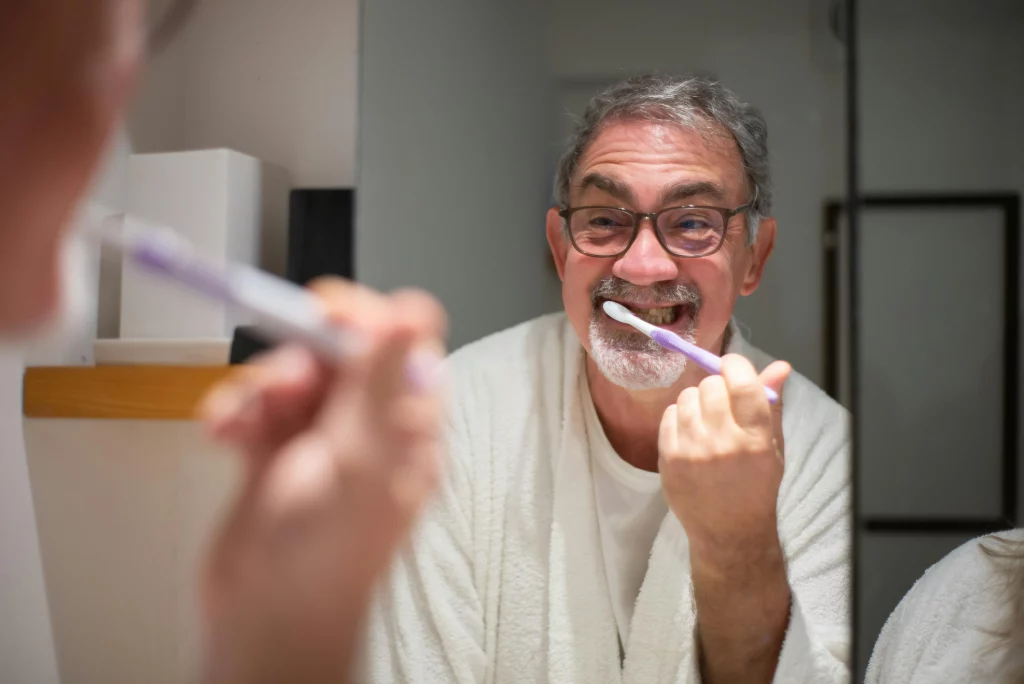
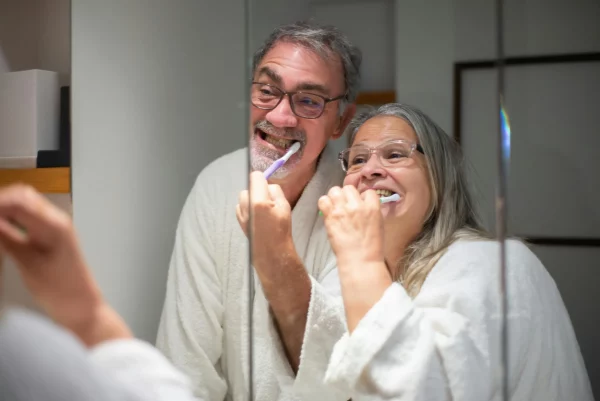
One of the best means of safeguarding older teeth and gums is to ensure that one keeps a regular oral hygiene routine. Daily flossing, brush at least three times with soft-bristled toothbrush, and fluoride toothpaste will help in getting rid of plaque, make enamel stronger and prevent decay. Routine visits also allow one to notice the initial signs of a problem such as the inflammatory state of gums, their sensitivity, or wear more quickly and take action. A consistent habit, coupled with regular checkups by the dental professional will help in maintaining oral fitness in the long term, as well as the conservation of natural teeth and the comfort and usability of the mouth long into adulthood.
Dental hygiene among the elderly is still based on brushing twice a day. The soft-bristled or electric toothbrush with fluoride toothpaste are also useful in the removal of plaque without rupturing the sensitive gums. The motions need to be circular, gentle and last at least two minutes long to ensure full cleaning. It may be of particular use to persons who have very weak or inadequate hand strength and coordination, as an electric toothbrush may be used with ease to ensure regular oral hygiene. Brushing the teeth regularly also preserves the teeth and prevents gum inflammation and decay and assists in the overall oral hygiene comfort.
Flossing is very important in improving the removal of debris and plaque between teeth inaccessible to the brushing procedure, minimizing the chances of cavities and gum disease development. The aged or disabled that struggle to use conventional dental floss can have substitutes like floss picks, water flossers and interdental brushes. These tools facilitate easier, comfortable, and efficient cleaning of the hard to reach areas of the body and keep it clean and healthy. Flossing is an extra drive to keeping the oral hygiene health in the long term and is a complementary procedure to daily brushing.
Full or partial dentures demand special care on daily basis which will avoid infections, soreness and pains during the eating process. Removing and brushing dentures daily, soaking dentures overnight in denture solution and cleaning the gums, tongue and the top of the mouth with a soft brush are all best practices. No hot water should be used to warm the material and dentures should be put in the right place to make sure that they do not cause irritation or sores. Dentures should be checked regularly to ensure they are comfortable as well as functional so that the seniors have a healthy painless smile.
Nutrition Tips for Healthy Aging Teeth
Strong teeth and healthy gums require a balanced diet particularly in old age. Foods high in vitamins, minerals and hydration are offered to the seniors to promote oral hygiene health and well being. Milk, cheese, and yogurt contain calcium that helps in strengthening the tooth structure, whereas leafy greens contain nutrients such as vitamin K which help in promoting the health of the gums. Proteins that are lean aid in the repair of oral tissues and crunchy fruits and vegetables aid in the production of saliva which is an innate way of protecting the teeth and eliminating dry mouth.
Remaining hydrated through drinking water during the day is also a good idea to maintain the mouth moist and natural cleansing of teeth. Meanwhile, the elderly ought to be aware of the foods and drinks, which predispose to cavities and enamel erosion. Sweet desserts, sticky foods such as caramel or raisins, soda, acidic drinks, and hard candies may all be problems to the mouth when taken in high frequency. Restricting these products together with regular oral hygiene practices aids in the protection of the teeth and gums and assists in the creation of a healthier and more comfortable smile in life.
Managing Dry Mouth in Seniors
Dry mouth is also one of the most prevalent challenges that older adults experience, and therefore, it is critical to address the issue at an early stage. The active prevention of a low volume of saliva ensures a lack of discomfort, problems with swallowing, bad breath, and a high risk of cavities and gum disease. The most basic of interventions, such as hydration, salivary substitutes, and avoiding excessively dry or acidic foods, can contribute to oral hygiene comfort and long-lasting dental health massively.
Causes of Dry Mouth
Medications – A wide variety of standard drugs, such as those used in blood pressure, allergens, depression, and analgesics, can slow down the production of saliva. Knowing which medications to contribute will enable your dentist or your physician to recommend other hydration options or alternative medicines.
Dehydration – Insufficient fluids intake may reduce the level of saliva in the mouth which causes the mouth to become dry and sticky. Daily water intake and reduced intake of caffeine or alcohol will be useful to keep the skin moist.
Diabetes – The saliva level may decrease and the chances of infection and cavities may increase. These effects can be reduced by being careful with the amount of sugar in the bloodstream and by keeping the mouth clean and tidy.
Radiation treatment – Radiation to the head or neck may destroy saliva glands in a person, which leaves him with dry mouth permanently. Saliva substitutes and specialized oral care products could be required in and after treatment.
Autoimmune conditions – Autoimmune diseases such as Sjogren syndrome attack the glands that produce saliva making them continually dry. Specialized medical and dental treatment can help to prevent tooth decay and alleviate pain.
Knowing the cause helps determine the right solution – When the underlying factor is known then this will enable tailored treatment whether it is adjusting medication, hydrating the body, using saliva solutions, or managing medical conditions. The proactive strategy helps in the prevention of complications and preservation of oral hygiene health.
Relief Strategies
In order to deal with dry mouth, one needs to maintain constant hydration through sipping water during the day. Sugar-free gum can be chewed or lozenges that are sugar-free may be used to get your mouth to secrete saliva and remain comfortable. Use alcohol-free mouthwash because alcohol based products greatly dry the oral tissues and lead to irritation. A humidifier used at night will help to add moisture into the air that can fix the dryness during the nighttime.
In case these measures are not sufficient, a dentist may check your condition and suggest further professional treatment, including prescription saliva substitutes, or special oral care products to lower the risk of rotting your teeth and gums and make them feel uncomfortable.
Preventing Gum Disease in Older Adults
The disease of the gums is more prevalent with age as gum tissue naturally alters and it may be harder to keep the oral health at the best possible state. Red gums, swollen gums or bleeding gums, chronic bad breath, loose teeth, shrinking of the gums, and pain or tenderness during eating are some of the signs to be looked at. Elderly individuals with all of these symptoms will need to visit a dentist as soon as possible to avoid additional issues.
Preventing the occurrence of gum disease is associated with brushing teeth twice a day, flossing teeth every day to rid the teeth of plaque, using an antibacterial mouthwash to regulate bacteria, avoiding the use of tobacco products and maintaining regular dental checkups. Gum disease can be prevented at an early stage and its development to higher levels, which may pose serious health problems, through early intervention and regular care.
Dental Care for Seniors With Health Conditions
With the increase in age, some conditions may also affect the oral hygiene health to a larger extent hence the vulnerability of teeth and gums to issues. There can be the risk infections, slow healing, and add on to gum disease or tooth decay which can be caused by such conditions as diabetes, heart disease and autoimmune disorders. Moreover, such interventions as chemotherapy or radiation may make oral tissues weaker and decrease the saliva flow, causing dryness and sensitivity. The knowledge of the connections between these health problems and oral hygiene health enables the elderly and their caregivers to take proactive measures, organize them in relation to healthcare services, and ensure their teeth stay healthy despite the medical situation.
Oral Care for Individuals With Diabetes
Diabetes may impact greatly on the oral hygiene health as high blood sugar levels provide a favorable environment to bacteria. There is also an increased risk of gum disease, fungal infections such as thrush and dry mouth in people with diabetes, which may cause discomfort and tooth loss in case they remain untreated. To reduce all these risks and have a healthy mouth, it is critical to regularly check the level of blood sugar, brush and floss, and visit a dentist regularly. The coordination of care between a dentist and a physician assists in the management of the systemic and oral hygiene health issues as well.
Oral Care for Seniors With Dementia
Problems with the memory may complicate the regularity of oral care. The elderly who have dementia can forget brushing, flossing, or even dental check-ups, which are likely to expose them to cavities, gum disease, and discomfort. Caregivers are crucial in aiding in routine oral hygiene care that incorporates a mild direction, visual signals, and habitual activities to simplify and reduce the stress arising in brushing and flossing their teeth. Dependent devices such as electric toothbrushes or floss holders can be used to make the process easier and as much as possible make them independent. Dental visits continue to be significant because the specialists might detect problems at an early stage and offer more instructions regarding self-care.
Heart Conditions and Oral Health
The health of the heart and the health of the mouth are closely intertwined as bad bacteria in the mouth are prone to getting into the bloodstream and thus may lead to cardiovascular complications. Elderly individuals with heart complications should also be very attentive to brush, flossing, and regular dental cleaning. Good gums and teeth prevent systemic inflammatory infection. To provide additional protection to the heart, dentists can prescribe special oral hygiene care regimes or anti-bacterial mouth rinses. Interdisciplinary communication between dental and medical practitioners will help in ensuring both cardiovascular and oral hygiene health are best maintained.
Importance of Routine Dental Visits
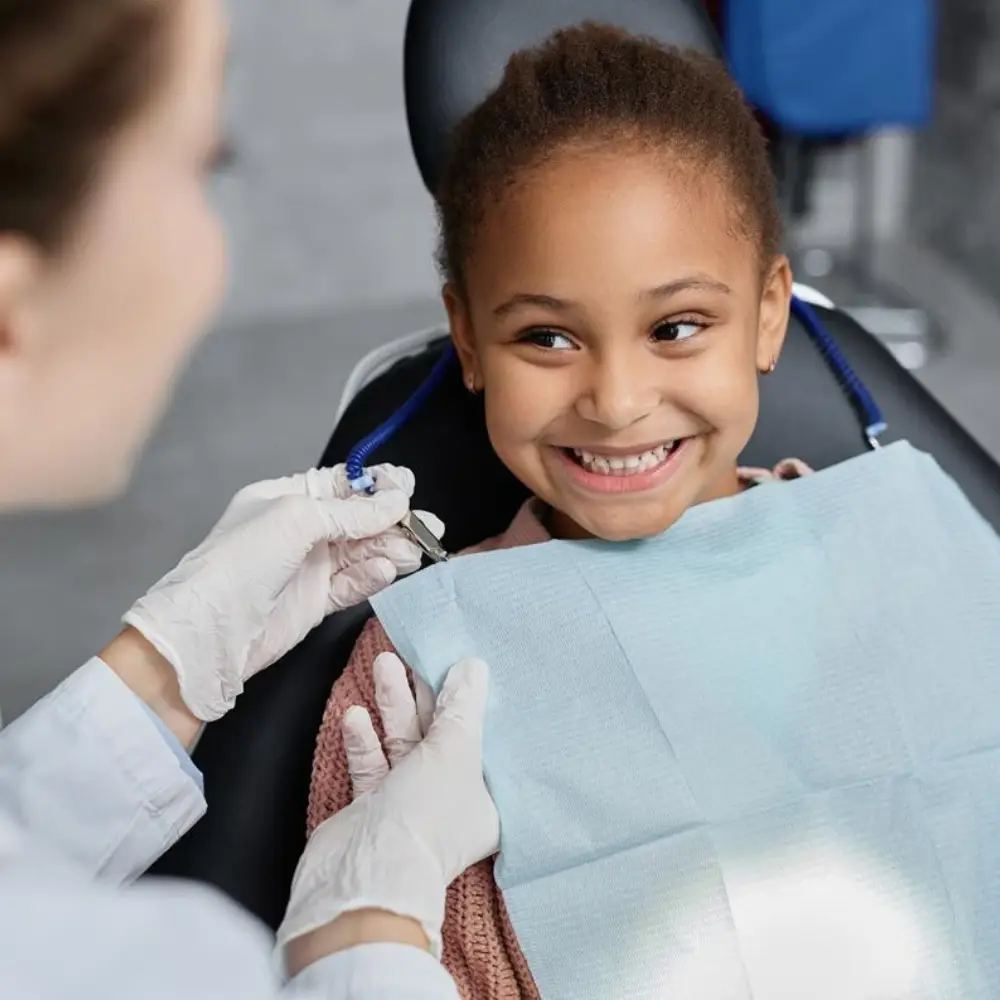
Seniors need to see the dentist regularly to identify minor issues before they turn out to be painful and expensive. Checkups should be done after every six months to most adults, but some of them might need to visit dental services more often based on their oral hygiene health and medical background. When performing such appointments, dentists would thoroughly assess the health of the gums, screen against oral cancer, examine the state of pre-existing fillings or crowns, test the denture fit, and examine early stages of decay. To seniors who have mobility issues or other health complications, the dental teams can offer accommodations so that the visit is comfortable and easily accessible.
Professional brushings are also essential as they remove the hardened plaque or tartar which cannot be removed by brushing or flossing. These cleanings reduce tartar accumulation thus decreasing the chance of having gum disease and preventing cavities and fresher breath. Regular checkups and professional cleaning are two common techniques that can be used together to establish a great base to have a comfortable life and keep our mouths and health overall in great shape as we get older.
Caring for Dental Restorations and Implants
With old age many seniors use dental restorations including crowns, braces or implants to retain the ability to chew as well as a confident smile. These restorations are long lasting though they require care to maintain good conditions.
Cleaning Crowns and Bridges
Keep the brush on the crowns and bridges in a similar manner that the teeth naturally are and brush to the gumline. To prevent the accumulation of the plaque and the irritation of the gums, interdental brushes or floss threaders may be used to clean tight areas that normal toothbrushes may not reach.
Maintaining Dental Implants
Implants of the teeth require the maintenance of good gums and good bones. The elderly who have implants are expected to brush their teeth twice in a day, clean diligently around the posts of the implant, and attend to professional cleaning. Dentists can prescribe special floss, brushes or water flossers as well to make sure that implant is thoroughly cleaned and long lasting.
Consistent care of restorations protects both oral hygiene health and the investment in your smile.
How Caregivers Can Support Senior Oral Hygiene
Caregivers play an important role in promoting oral hygiene health of the seniors, especially those who have mobility problems, or memory impairments. With their help, there is a safe and effective way of brushing and flossing teeth, and general health care. As the senior is seated, make sure that he or she is very comfortable and well seated on a chair or seat. It is usually more visible and easily controllable when standing behind them. Apply brush in small areas with breaks as necessary so as to avoid boredom or exhaustion. The development of an oral care routine assists the elderly in keeping regular hygiene routines.
Habits can be reinforced by visual checklists or soft reminders. The process can be made easier with toothbrushes that are easy to use and assist flossing with the help of picks and water flossers. A sense of comfort and collaboration can be established through clear communication, patience and reassurance, and thus making the daily oral care a favorable event.
Common Myths About Senior Dental Health
There exist numerous myths concerning oral hygiene health in the aged which may result in the neglect or failure to take proper care. It is said that most of the problems like loss of teeth or gums are unavoidable in old age, yet it is true that most problems can be avoided through occasional check-ups and clean up. Someone can believe that dentures or implants do not require any daily brushing and flossing, but it is not the case, and these restorations also need attention.
These misconceptions can be tackled by focusing on them to enhance measures by the seniors and caregivers to secure the teeth, gums, and the overall health of the individual and reassure a comfortable and confident smile in life.
Myth 1: “Losing teeth is a normal part of aging.” | Tooth loss is preventable. With proper hygiene, routine care, and early treatment, seniors can keep their natural teeth for a lifetime. |
| Myth 2: “If dentures fit well, dental visits aren’t necessary.” | Even denture-wearers need regular checkups. Dentists examine gum health, detect early signs of disease, and ensure dentures remain comfortable. |
| Myth 3: “Dry mouth is just a minor inconvenience.” | Dry mouth increases cavity risk and affects daily comfort. Addressing it early improves both oral hygiene health and quality of life. |
In Conclusion
Old age presents special problems of the mouth, but elderly people can have healthy, happy smiles when they follow appropriate practices. Brushing, flossing and close care of the dentures, crowns or implants can also help in keeping the mouth healthy. Dealing with such problematic conditions as dry mouth, gum sensitivity, or lack of dexterity makes regular care effective and comfortable. Regular visits to a dentist, professional cleaning, and early intervention are important factors that should be given priority to ensure that small issues are not transformed into serious ones. Finally, regular oral care does not only help in maintaining the health of the teeth and gums but the general health, confidence, and life quality as we grow older.
The age of a healthy smile really is a non-issue, it is never too late to start taking care of your teeth. You or someone you love require a personalized approach to instructions, a professional cleaning, or a dentistry service that is elderly friendly, our team is ready to assist. Book an appointment now and have professional assistance in accordance with your comfort, confidence and oral well-being in the long run. With our combined efforts, we will make your smile strong, bright, and healthy to last many years. It is your time to start your next chapter of oral wellness.

