


The link between stress and teeth is stronger than most people realize. While stress is commonly associated with emotional strain or mental fatigue, it also has a powerful and often overlooked impact on oral health. Ongoing stress can affect everything from tooth enamel and jaw muscles to gum tissue and saliva production. Many people unknowingly clench or grind their teeth, develop more cavities, or experience gum irritation during stressful periods without recognizing stress as the underlying cause.
Over time, these stress-related habits and changes can progress into persistent pain, cracked or worn teeth, jaw disorders, gum disease, and chronic discomfort that interferes with daily life. Understanding how stress shows up in your oral health empowers you to take proactive, practical steps such as improving daily habits, managing stress, and seeking professional care to protect your smile, prevent long-term dental damage, and support your overall well-being.
The Connection Between Stress and Oral Health

Stress affects the body in complex ways, and the mouth is often one of the first areas to show signs of strain. When stress hormones rise, the body enters a heightened state of alert, triggering changes in habits, behaviors, and biological responses. These shifts can lead to jaw clenching or teeth grinding, reduced saliva flow, increased inflammation in the gums, and a weakened ability to fight oral bacteria. Over time, these stress-driven changes place added pressure on teeth and supporting structures, making the mouth more vulnerable to discomfort, decay, and long-term dental issues.
Stress changes the body in subtle but powerful ways, often influencing oral health through a combination of altered habits, hormonal shifts, and muscle tension. During stressful periods, daily routines may suffer some people skip brushing or flossing, snack more frequently, rely on sugary comfort foods, or postpone dental appointments because they feel overwhelmed. At the same time, elevated levels of cortisol, the body’s primary stress hormone, weaken the immune system and increase inflammation, making the gums more prone to irritation, bleeding, and infection.
Stress also commonly leads to jaw tension and muscle strain, causing people to clench their jaw throughout the day or grind their teeth at night. This constant pressure places excessive force on the teeth, jaw joints, and surrounding structures, increasing the risk of enamel wear, jaw pain, headaches, and long-term dental damage if left unaddressed.
Common Dental Problems Linked to Stress

Stress affects oral health in more ways than most people expect, often showing up in subtle symptoms before becoming more serious problems. Dentists frequently see stress-related issues that develop quietly over time, as prolonged tension and elevated stress hormones influence habits, muscle activity, and the body’s ability to heal and defend itself. Without proper awareness and care, these stress-driven changes can lead to discomfort, visible dental damage, and long-term oral health concerns.
Bruxism (Teeth Grinding and Clenching)
Bruxism is one of the most common and often overlooked physical reactions to stress. Many people grind or clench their teeth without realizing it, particularly during sleep when the body subconsciously releases tension. Over time, this repeated pressure places excessive force on the teeth, jaw muscles, and jaw joints.
Common signs of bruxism include jaw soreness or tightness, fractured or worn enamel, headaches upon waking, and teeth that feel unusually sensitive or even loose. If left untreated, bruxism can lead to cracked or broken teeth, damaged dental fillings or crowns, chronic jaw pain, and disorders of the temporomandibular joint (TMJ). Early recognition and proper care are essential to prevent long-term dental damage and persistent discomfort.
Gum Disease
During periods of prolonged stress, the immune system becomes less effective at controlling harmful bacteria in the mouth. As a result, gum tissue is more likely to become inflamed, creating an environment where bacteria can thrive and trigger gingivitis or progress into more advanced forms of gum disease.
Common symptoms include red or swollen gums, bleeding during brushing or flossing, persistent bad breath, and gum recession that exposes more of the tooth surface. If left untreated, gum disease can damage the supporting structures of the teeth, eventually leading to tooth loss, bone deterioration, and long-term oral health complications that extend beyond the mouth.
Canker Sores
Although the exact cause of canker sores is not always clear, stress is widely recognized as a major trigger. During stressful periods, changes in immune response and inflammation can make the mouth more vulnerable to these painful ulcers. Canker sores often appear on the gums, lips, or inside the cheeks and can cause burning or stinging sensations that make eating, drinking, or speaking uncomfortable. While they typically heal on their own, frequent or severe outbreaks may signal that stress levels are affecting overall oral health and should be addressed to prevent recurring discomfort.
Dry Mouth
The body’s stress response often reduces saliva flow, and medications commonly used to manage anxiety or stress can further contribute to this effect. Saliva plays a crucial role in oral health by protecting tooth enamel, washing away bacteria, neutralizing acids, and supporting the early stages of digestion. When saliva production decreases, the mouth loses one of its primary natural defenses.
As a result, dry mouth significantly increases the risk of cavities, gum irritation and inflammation, persistent bad breath, and difficulty chewing or swallowing. Over time, ongoing dry mouth can accelerate tooth decay and gum disease, making it important to address both stress levels and oral care habits to protect long-term dental health.
Poor Oral Hygiene During Stress
Stress can significantly disrupt daily routines, leading some individuals to forget to brush or floss altogether, while others rush through their oral hygiene without proper technique. When stress levels are high, self-care habits are often deprioritized, even though they play a critical role in maintaining oral health. These lapses allow plaque to accumulate more quickly on teeth and along the gumline, increasing the risk of cavities, gum inflammation, and bad breath. Over time, inconsistent oral hygiene can accelerate tooth decay and contribute to more serious dental issues that require professional treatment.
How Stress Impacts the Jaw and Bite
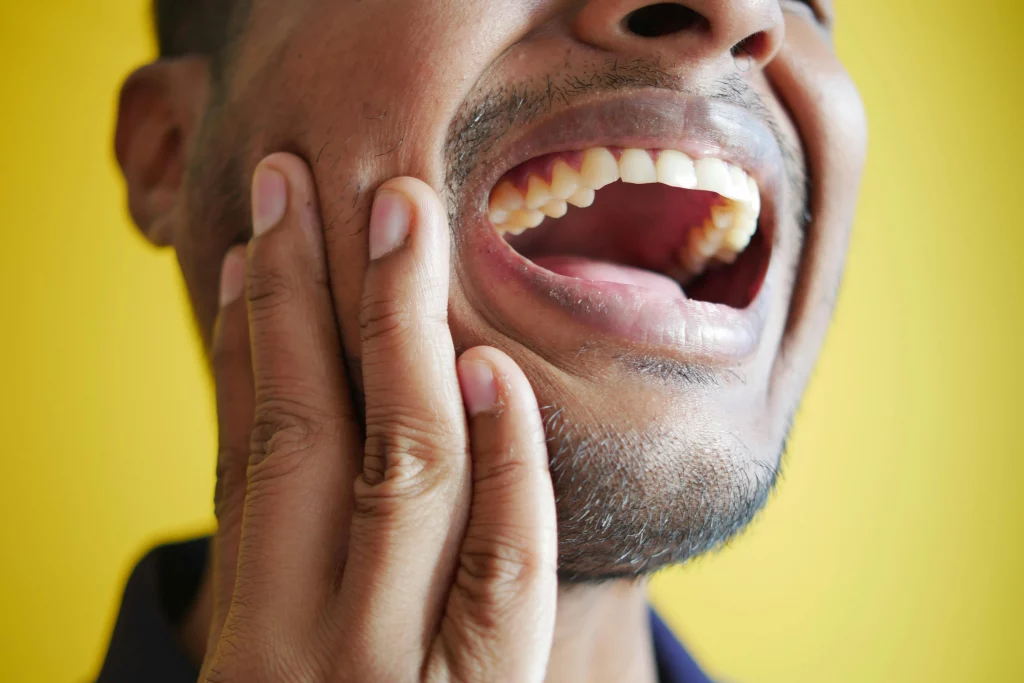
The jaw joint, known as the temporomandibular joint (TMJ), is especially sensitive to physical and emotional tension. When stress becomes persistent, the muscles surrounding the jaw tend to tighten, placing extra pressure on the joint and limiting its natural movement. Over time, this can lead to discomfort, stiffness, clicking or popping sounds, headaches, and difficulty opening or closing the mouth fully. If left unaddressed, ongoing stress-related TMJ strain may progress into chronic pain or functional dysfunction that interferes with everyday activities like eating and speaking.
Stress-induced habits such as teeth grinding and jaw clenching can place significant strain on the temporomandibular joint (TMJ), which connects the jaw to the skull. Over time, this constant tension may lead to chronic pain, stiffness, and audible clicking or popping sounds when opening or closing the mouth. Common signs of TMJ strain include difficulty chewing, jaw popping, earaches, and limited jaw movement. If these symptoms are ignored, they can worsen and become more difficult to manage, potentially affecting daily activities such as eating and speaking.
In addition to joint issues, grinding or clenching forces the teeth to rub against each other with excessive pressure, causing enamel to wear down. This enamel loss exposes the sensitive inner layers of the teeth, making them more vulnerable to cavities, sensitivity, and long-term dental damage. Muscle strain from the jaw can also radiate to surrounding areas, including the temples, neck, and shoulders, leading to frequent headaches or facial pain. Many people mistake these discomforts for unrelated issues, not realizing they often originate from stress-related oral tension. Addressing TMJ strain early through proper care, stress management, and professional guidance is crucial for preventing further damage and alleviating chronic discomfort.
Practical Ways to Protect Your Teeth During Stress

Stress may be an unavoidable part of modern life, but its effects on your teeth and overall oral health can be managed effectively with consistent habits and mindful strategies. By adopting routines such as proper brushing and flossing, staying hydrated, monitoring jaw tension, and maintaining regular dental checkups, you can reduce the physical impact of stress on your mouth. Mindfulness techniques, relaxation exercises, and targeted stress-management practices also help minimize teeth grinding, clenching, and other stress-related behaviors. Combined, these approaches support healthier gums, stronger enamel, and overall oral resilience, helping you protect your smile even during challenging or high-pressure periods.
Maintain a Stable Oral Hygiene Routine
Even on the busiest or most overwhelming days, it’s important to stick to the basics of oral care. Brush your teeth at least twice daily using fluoride toothpaste to strengthen enamel and remove plaque. Floss once a day to clean areas your toothbrush can’t reach, preventing gum irritation and cavities. Rinse with an alcohol-free mouthwash to reduce bacteria and freshen breath without drying out the mouth. By maintaining these small, consistent habits, you provide long-term protection for your teeth and gums, helping to minimize the impact of stress and support overall oral health.
Use a Night Guard
A custom night guard provides a protective barrier that shields your teeth from the damaging effects of grinding and clenching while also supporting proper jaw alignment. Unlike over-the-counter guards, which may offer only temporary relief and can be uncomfortable or ill-fitting, professionally fitted night guards are tailored to the unique shape of your teeth and bite. This ensures greater comfort, long-lasting durability, and more effective protection against enamel wear, jaw strain, and other complications associated with bruxism.
Stay Hydrated
Drinking water consistently throughout the day helps maintain healthy saliva flow, which is essential for washing away bacteria, neutralizing acids, and protecting tooth enamel. Adequate hydration can significantly reduce the discomfort and risks associated with dry mouth. Seniors and individuals taking certain medications are especially prone to reduced saliva production, making it even more important to stay well-hydrated to support oral health and overall comfort.
Stress Management Techniques
Managing stress is crucial not only for overall physical health but also for protecting your oral health. Chronic tension can lead to jaw clenching, teeth grinding, gum inflammation, and other stress-related dental issues. Incorporating stress-relief strategies into your daily routine can help reduce these risks and promote overall well-being.
Helpful techniques include deep breathing exercises to calm the nervous system, light stretching to release muscular tension, meditation for mental clarity and relaxation, regular physical activity to boost circulation and reduce stress hormones, and engaging in hobbies or creative outlets to provide emotional balance. By practicing consistent stress management, you support jaw relaxation, prevent tension-related damage to teeth and gums, and improve overall oral and physical health.
Limit Sugar and Acidic Foods
Stress often triggers cravings for sweets, sugary drinks, or processed snacks as a quick source of comfort. While enjoying an occasional treat is fine, frequent consumption of sugar can accelerate tooth decay, weaken enamel, and increase the risk of cavities.
To protect your teeth while still satisfying hunger or cravings, choose healthier alternatives that support oral health, such as nuts, cheese, whole fruits, yogurt, and fresh vegetables. These options provide essential nutrients, help neutralize acids in the mouth, and reduce the risk of enamel erosion, all while keeping your teeth and gums stronger and healthier.
Schedule Regular Dental Visits
Routine dental checkups are essential for maintaining optimal oral health and catching problems before they become serious. During these visits, your dentist can identify early signs of stress-related changes, such as enamel wear from grinding, gum inflammation, or jaw tension. They can then recommend personalized strategies ranging from professional treatments like custom night guards to lifestyle adjustments and oral hygiene tips helping you protect your teeth, reduce discomfort, and maintain a healthy, resilient smile.
Natural Ways to Ease Jaw Tension
Jaw tension often starts as a subtle sensation but can become more pronounced as stress levels rise, leading to discomfort, headaches, or difficulty moving the jaw freely. Addressing tension early can prevent more serious issues like TMJ disorders or chronic muscle strain.
Gentle Jaw Exercises: Slow, controlled opening and closing of the jaw helps stretch and relax tight muscles. Incorporating side-to-side movements can further improve flexibility and reduce pressure, easing discomfort over time.
Warm Compress for Jaw Relief: Applying a warm compress to the jaw area helps relax tight muscles and soothe soreness. This method is particularly effective before bedtime, promoting relaxation and reducing nighttime clenching or grinding.
Posture Correction: Poor posture especially forward head positioning while looking at screens can intensify jaw tension. Keeping your head aligned with your spine and maintaining an upright posture reduces pressure on the jaw and surrounding muscles, helping alleviate strain and supporting long-term oral comfort.
When to See a Dentist
Some symptoms of stress-related oral problems go beyond what at-home care can address and require professional evaluation. Ignoring these signs can lead to worsening discomfort or long-term dental damage, so timely intervention is important.
If You Experience:
- Persistent tooth pain that doesn’t resolve with routine care
- Jaw locking, stiffness, or difficulty fully opening or closing the mouth
- Severe teeth grinding or clenching that disrupts sleep
- Cracked, chipped, or worn-down teeth
- Bleeding gums that do not improve with proper brushing and flossing
A dentist can thoroughly evaluate the underlying causes, provide targeted treatments, and recommend preventive strategies. These may include custom night guards to protect against grinding, stress-management techniques, or adjustments to oral hygiene routines. Early professional care not only relieves current symptoms but also helps prevent more serious dental problems in the future, ensuring long-term oral health and comfort.
How Dentists Help Manage Stress-Related Oral Problems
Dentists play a crucial role in identifying and treating the effects of stress on oral health, helping patients prevent long-term damage while improving comfort and function.
Customized Appliances: Professionally fitted night guards, splints, or bite adjustments protect teeth from grinding and clenching while supporting proper jaw alignment, reducing strain on muscles and joints.
Treatments for Gum Inflammation: For stress-related gum issues, dentists may recommend deep cleaning procedures, scaling and root planing, or targeted treatment plans to manage inflammation and prevent progression to gum disease.
Advice on Lifestyle and Oral Care: Dentists often provide personalized guidance on daily oral hygiene, strategies to manage dry mouth, and techniques to minimize the impact of teeth grinding or jaw tension. By combining professional care with practical at-home practices, patients can maintain healthier teeth and gums even during periods of heightened stress.
In Conclusion
Stress doesn’t just affect your mood, its impact extends to your teeth, gums, jaw, and overall oral comfort. Chronic tension can lead to grinding, clenching, gum inflammation, enamel wear, and jaw discomfort, often developing quietly over time. By staying mindful of these changes and maintaining consistent oral care, you can protect your smile from the silent wear and tear that stress creates. Combining healthy daily habits, regular dental guidance, and effective stress-relief practices makes it possible to preserve strong, healthy teeth and a comfortable jaw, even during the most demanding periods.
Your smile deserves care and protection especially during stressful times. If you’ve noticed symptoms like teeth grinding, jaw pain, gum irritation, or unexpected sensitivity, it’s important to take action sooner rather than later. Our experienced dental team offers personalized solutions, including preventive strategies, custom appliances, and stress-relief guidance, all designed to keep your teeth strong, your gums healthy, and your jaw comfortable. Schedule your appointment today and take the first step toward restoring balance, comfort, and confidence in both your oral health and overall well-being.

