

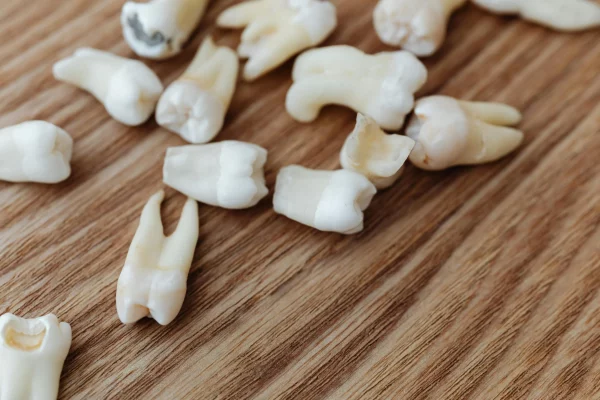
A wisdom teeth guide is essential for anyone entering late adolescence or early adulthood, or for those noticing changes in their back molars. Wisdom teeth, also known as third molars, often erupt between the late teens and early twenties, though timing can vary widely. While some people experience no issues, others may face discomfort, crowding, or alignment problems that affect adjacent teeth and overall oral health. Understanding how to care for these teeth, recognize warning signs, and address potential complications is crucial for maintaining a healthy, comfortable smile.
This blog offers practical advice on monitoring eruption patterns, maintaining proper cleaning techniques in hard-to-reach areas, and managing common issues like swelling, pain, or impaction. It also covers treatment options, recovery strategies, and tips for long-term oral wellness, empowering you to make informed decisions and prevent complications before they escalate.
What Are Wisdom Teeth?

Wisdom teeth are the third and final set of molars to develop, typically appearing between the ages of 17 and 25. For some individuals, these teeth emerge without causing any discomfort or dental issues, aligning properly with existing teeth and fitting comfortably in the jaw. However, many people experience complications due to limited space, improper angling, or impaction, where the teeth are unable to fully break through the gums. These challenges can lead to crowding, misalignment, pain, swelling, or even infection if not monitored and managed appropriately. Understanding the development and potential issues of wisdom teeth is key to maintaining overall oral health and preventing long-term dental problems.
Normal Eruption vs. Impacted Teeth
Wisdom teeth that erupt fully and align correctly within the dental arch are considered normal and usually do not cause problems. In contrast, impacted wisdom teeth are those that remain partially or completely trapped beneath the gum line or within the jawbone. This impaction can create pressure on neighboring teeth, lead to inflammation or swelling of the gums, and increase the risk of infection or cyst formation. Impacted teeth may also contribute to misalignment of surrounding teeth, making timely evaluation and management important to prevent long-term oral health complications.
Common Problems Associated with Wisdom Teeth
Impacted or improperly erupting wisdom teeth can lead to several oral health issues. Crowding of neighboring teeth may occur as the wisdom teeth push against adjacent molars, potentially altering your bite and causing misalignment. The surrounding gum tissue can become inflamed or infected, leading to pain, swelling, or tenderness. Difficulty cleaning behind these back molars increases the risk of plaque buildup, cavities, and gum disease. In some cases, cysts may form around the impacted teeth, which can damage the jawbone or nearby teeth. Regular dental checkups are essential to monitor wisdom tooth development, detect early problems, and determine whether intervention is needed to protect long-term oral health.
Signs Your Wisdom Teeth Need Attention

Not all wisdom teeth require removal or treatment, but certain signs and symptoms indicate that professional evaluation is necessary.
Pain or Discomfort at the Back of the Jaw
Persistent soreness, tenderness, or radiating pain in the rear of the mouth often occurs when wisdom teeth erupt improperly or are impacted. Pressure against adjacent molars can create discomfort that interferes with daily activities, including eating, speaking, or even sleeping. Early assessment helps prevent worsening pain or potential damage to surrounding teeth.
Swelling and Redness of Gums
Inflamed or red gums near the wisdom teeth may indicate infection, irritation, or the development of pericoronitis—a common condition where gum tissue becomes swollen around partially erupted teeth. Prompt treatment can prevent the infection from spreading and reduce the risk of more serious complications.
Difficulty Opening the Mouth or Chewing
Restricted jaw movement or pain while chewing may result from swelling, misaligned teeth, or muscle strain caused by erupting wisdom teeth. Ignoring these symptoms can lead to chronic jaw stiffness, discomfort, or even temporomandibular joint (TMJ) issues.
Bad Breath or Unpleasant Taste
Partially erupted wisdom teeth create pockets where food particles and bacteria can accumulate, leading to persistent bad breath or a foul taste in the mouth. This is often a sign that the area requires professional cleaning, monitoring, or treatment to prevent infection and maintain overall oral hygiene.
Recognizing these warning signs early allows for timely dental care, helping protect not only your wisdom teeth but the health of your entire mouth.
Daily Care for Wisdom Teeth

Proper oral hygiene is especially important when caring for wisdom teeth, as these back molars are prone to food buildup, bacteria accumulation, and irritation. Brushing techniques should focus on reaching the rear of the mouth with a soft-bristled toothbrush, angling the bristles gently toward the gumline to clean all surfaces, including partially erupted teeth. Flossing around wisdom teeth is equally crucial, as trapped food particles can easily lead to decay or gum inflammation. Interdental brushes or water flossers are helpful tools for navigating these hard-to-reach areas and maintaining a thorough clean.
Additionally, rinsing and antibacterial care support gum health and prevent infection. Using an alcohol-free antiseptic mouthwash reduces bacterial buildup, while warm saltwater rinses can soothe mild soreness, decrease inflammation, and promote healing. Consistently following these practices helps minimize complications and keeps wisdom teeth and surrounding gums healthy.
When Extraction Is Necessary

While not every wisdom tooth needs to be removed, dentists often recommend extraction under certain conditions to protect overall oral health. Impacted wisdom teeth, whether fully or partially trapped in the jaw or gum tissue, can press against neighboring molars, increase the risk of infection, or contribute to cyst formation, removal helps prevent these complications. Recurrent pain or infection is another common reason for extraction; teeth that repeatedly cause soreness, swelling, or gum inflammation can compromise oral health if left untreated. Finally, orthodontic concerns may warrant removal, as erupting wisdom teeth can create crowding or misalignment that undermines previous orthodontic work. In these cases, timely extraction helps maintain a healthy, functional, and well-aligned smile.
Preparing for Wisdom Teeth Extraction
Proper preparation is key to ensuring a safer wisdom tooth extraction and a smoother recovery process. Consultation and imaging are the first steps, dental X-rays allow your dentist or oral surgeon to evaluate tooth position, root structure, and potential complications. During this consultation, the procedure, expected outcomes, and recovery plan are thoroughly explained to set clear expectations. Pre-procedure instructions are equally important; patients may be advised to avoid eating for a certain period, arrange transportation, and review current medications. Following these guidelines minimizes risks and enhances comfort during and after the procedure.
Additionally, understanding sedation options helps tailor the experience to your needs. Extractions may involve local anesthesia, sedation, or general anesthesia depending on the complexity of the procedure and your personal comfort preferences. Discussing these options with your dental professional ensures a safe, controlled, and as comfortable experience as possible.
Recovery After Wisdom Teeth Removal
Proper post-operative care after wisdom tooth extraction is crucial for promoting healing, minimizing discomfort, and preventing complications such as infection or dry socket. Here’s a detailed look at each aspect of recovery:
Managing Pain and Swelling
Controlling discomfort in the first days after extraction helps you recover more comfortably. Applying ice packs to the affected area in 15–20 minute intervals during the first 24–48 hours reduces swelling and numb soreness. Your dentist may also prescribe pain medication for moderate discomfort, while over-the-counter options like ibuprofen can help manage inflammation and pain. Swelling usually peaks within the first two days, then gradually subsides, and proper pain management can make daily activities more comfortable.
Oral Hygiene During Recovery
Maintaining oral hygiene is important even while healing, but the extraction site requires special care. Avoid brushing directly over the wound for the first day or two, as this may dislodge the blood clot essential for healing. Instead, gently clean surrounding teeth and gums. Rinsing with warm saltwater several times a day helps reduce bacterial buildup, soothes the tissue, and promotes healing without disturbing the clot or stitches.
Diet and Nutrition
Soft, nutritious foods support recovery while minimizing irritation to the extraction site. Options like yogurt, mashed vegetables, applesauce, smoothies, and soft eggs provide calories and nutrients without stressing the wound. Avoid hard, crunchy, spicy, or acidic foods, which can irritate the area or dislodge the blood clot. Drinking plenty of water also helps maintain hydration and flush bacteria from the mouth, but avoid using straws, as suction can disturb healing.
Activity and Lifestyle
Limiting physical activity and resting in the first few days after extraction supports the body’s natural healing processes. Avoid strenuous exercise, heavy lifting, and bending over, which can increase blood pressure and the risk of bleeding. Refrain from smoking, using straws, or vigorous rinsing, as these actions can dislodge the clot and delay healing. Following these lifestyle guidelines helps ensure a smooth recovery and lowers the likelihood of complications.
Long-Term Wisdom Teeth Care
Even after wisdom tooth extraction, maintaining strong oral health remains essential to prevent future problems and ensure overall dental well-being. Regular dental checkups play a critical role by allowing your dentist to monitor the healing site, assess surrounding teeth and gums, and detect any early signs of complications or emerging dental issues. For wisdom teeth that remain in the mouth, it’s important to monitor their condition, watching for changes in alignment, tenderness, swelling, or gum irritation. Prompt evaluation of these signs can prevent more serious issues like impaction, infection, or crowding.
Equally important is reinforcing daily oral hygiene. Brushing at least twice a day, flossing to remove plaque between teeth, and attending professional cleanings help protect your teeth and gums from decay and infection. By combining vigilant monitoring, consistent hygiene, and professional guidance, you can maintain a strong, healthy smile long after wisdom tooth removal.
Common Misconceptions About Wisdom Teeth
| “Wisdom Teeth Always Need Removal” | Addressing myths helps patients make informed decisions. |
| “Extraction Is Extremely Painful” | Not all wisdom teeth require extraction. Healthy, fully erupted, properly aligned teeth can remain indefinitely with proper care. |
| “They Will Always Cause Problems Later” | Modern anesthesia and sedation techniques minimize discomfort. Recovery is generally manageable with proper post-operative care. |
Many adults retain their wisdom teeth without experiencing pain or oral health problems, especially when the teeth erupt properly and are easy to clean. With regular dental monitoring, your dentist can track changes in positioning, gum health, and surrounding teeth to catch potential concerns early. Consistent oral hygiene, including thorough brushing, flossing behind the molars, and routine professional cleanings, helps prevent plaque buildup, gum inflammation, and decay around wisdom teeth. When wisdom teeth are well cared for and regularly evaluated, they can remain healthy and functional without requiring removal.
In Conclusion
Wisdom teeth play a unique role in your oral health, and knowing how to care for them is essential for long-term comfort and protection. Whether your wisdom teeth emerge smoothly or require removal, understanding early symptoms, proper hygiene practices, and recovery strategies helps you avoid pain, infection, and unnecessary complications. With the right knowledge and proactive care, you can prevent small concerns from becoming major dental issues and maintain overall oral wellness. This wisdom teeth guide is designed to empower you with clear, practical information so you can make confident, informed decisions that protect your teeth, support gum health, and preserve a healthy, confident smile for life.
If you are experiencing discomfort, swelling, or have questions about your wisdom teeth, it’s best not to wait for problems to worsen. Our dental team offers thorough evaluations, clear explanations, and personalized treatment options focused on your comfort and long-term health. Whether you need monitoring, preventive care, or extraction, we are here to guide you every step of the way. Schedule your consultation today to ensure your wisdom teeth are managed safely and effectively—and take an important step toward protecting your smile for years to come.

